
Description
Rifle Scope Product Details
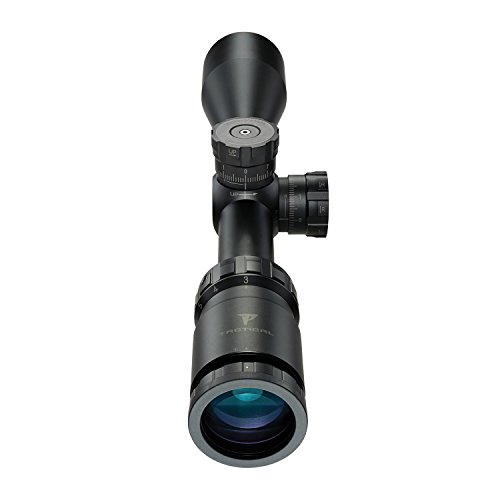
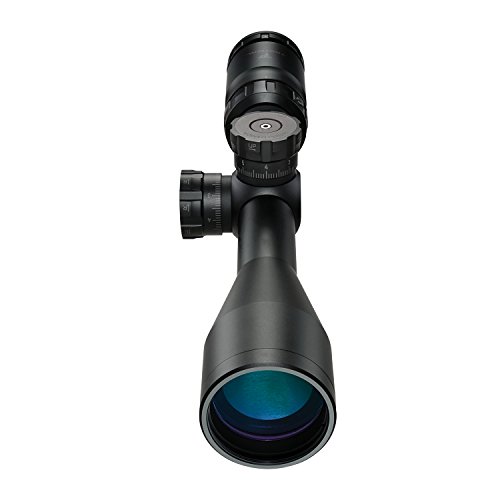
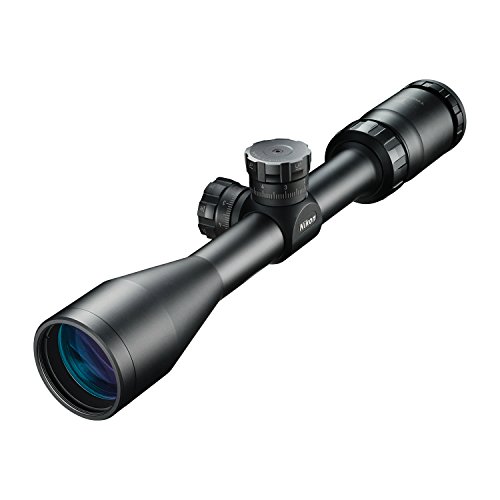
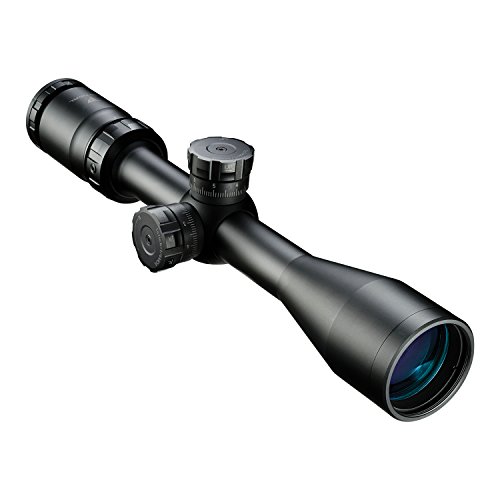
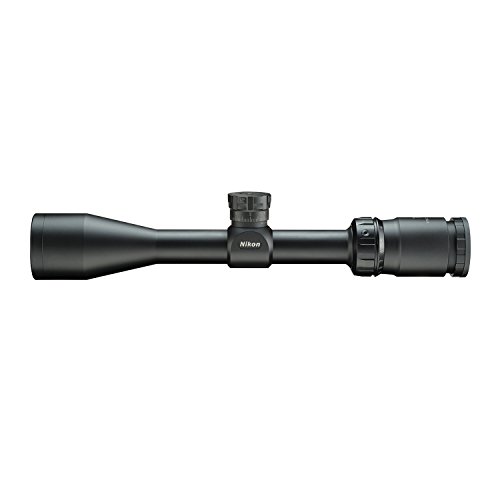
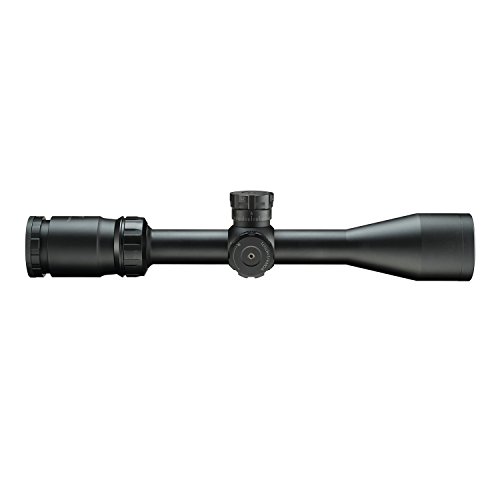
Nikon P-Tactical 3-9×40 Matte MK1-MOA
Nikon new p-tactical riflescopes provide the features you need to maximize your shooting experience-regardless of the platform you mount it on. Fully multicoated optical systems housed in rugged, one-inch, aircraft-grade aluminum main tubes brighten even the most dismal environments and unforgiving conditions.
Rifle Scope Product Features
About this item
The Mk1 reticle’s asymmetrical design allows for additional holdover and can be used to estimate range, target size, elevation holdover and wind-drift at the designated magnification
One inch body tube
Spring loaded instant zero resets turrets
Elevated windage and elevation turrets
Generous consistant Eye relief
NIKON P-TACTICAL SCOPES
Nikon’s P-TACTICAL scopes provide the features you need to maximize your hunting experience ” regardless of the platform you mount it on. Fully multicoated optical systems housed in rugged, one-inch, aircraft-grade aluminum main tubes brighten even the most dismal environments and unforgiving conditions. The versatile 3x zoom ratio (on variable models) provides the field of view at the low end and the detail at the high end to satisfy most shooting demands. P-TACTICAL’s hash-marked MK1-MOA or MK1-MRAD reticles are matched to ergonomic turrets with directional indicators to make every come-up-or down ” both simple and intuitive. Dedicated caliber models ” including rimfire ” match the reticle to your preferred caliber. When used in conjunction with Nikon’s free Spot On Ballistic Technology, all reticles offer exact holdover points or elevation adjustment for any long-range engagement.
Bright, Fully Multicoated Optics
Fuly multicoated optical systemshoused in rugged, one-inch, aircraft-grade aluminum main tube brighten even the most dismal environments.
Spring-loaded Instant Zero-reset Turrets
Windage and elevation turrets are clearly marked for quick adjustments. Rugged, aircraft-grade aluminum main tube.
Quick Focus Eyepiece
Smooth-turn aluminum ring with rubberized eye guard allows crisp reticle focus and quick target acquisition. Spring-loaded windage and elevation knobs can be reset to “zero” after sighting-in for easy reference when making field adjustments.
Waterproof/Fogproof/Shockproof
O-ring sealed to prevent moisture from entering body and nitrogen purged for total reliability against thermal shock. Shockproof construction shrugs off hard recoil and rugged use.
BDC 600
The P-TACTICAL line offers models with the newly designed MK1-MOA and MK1-MRAD reticles, as well as the platform-based, caliber-designated BDC 150, BDC 600, BDC 800, BDC SuperSub and BDC Carbine.
MK1-MOA
The MK1 reticle’s asymmetrical design allows for additional holdover and can be used to estimate range, target size, elevation holdover and wind-drift at the designated magnification.
BDC Carbine
The BDC reticles can be optimized with Spot On Ballistic Technology at NikonSportOptics.com/SpotOn
Nikon P-Tactical 223 3-9x40mm BDC 600 Reticle Scope Nikon P-TACTICAL 3-9×40 MK1-MOA Scope Nikon P-TACTICAL .223 3×32 BDC Carbine Scope
Magnification 3- 9x 3- 9x 3x
Objective Diameter 40mm 40mm 32mm
Tube Diameter – Other 1 in 1 in 1 in
Weight 16.9 oz 16.9 oz 12.7 oz
Overall Length 12.4 in 12.4 in 8.2 in
aterproof/Fogproof
About the Nikon Manufacturer
Nikon is a premium supplier for weapon scopes, optics, mounts, and other accessories used for guns like rifles and long guns. They innovate and make their scopes, mounts, and related products by choosing materials which are resilient and long lasting. This includes the Nikon P-Tactical 3-9×40 Matte MK1-MOA by Nikon. For additional shooting goods, visit their site.
Optic Details
Rifle scopes permit you to exactly align a rifle at different targets by aligning your eye with the target over a range. They do this through magnification using a series of lenses inside the scope. The scope’s alignment can be adapted for the consideration of various natural things like wind speed and elevation to account for bullet drop.
The scope’s purpose is to help the shooter understand precisely where the bullet will hit based upon the sight picture you are viewing through the scope as you line up the scope’s crosshair or reticle with the intended point of impact. A lot of modern rifle optics have around eleven parts which are arranged internally and on the exterior of the scope body. These scope parts include the rifle scope’s body, lenses, windage turrets or dials, focus rings, and other parts. See all eleven parts of an optic.
The Types of Rifle Scopes
Rifle scopes can be either “first focal plane” or “second focal plane” type of scopes. Selecting the finest type of rifle glass is based around what type of shooting you plan on doing.
First Focal Plane Glass Info
Focal plane scopes (FFP) come with the reticle in front of the magnifying lens. This causes the reticle to increase in size based on the level of zoom being used. The benefit is that the reticle measurements are the same at the amplified range as they are at the non amplified range. One tick on a mil-dot reticle at one hundred yards with no “zoom” is still the same tick at one hundred yards with 5x “zoom”. These types of scopes are valuable for:
- Quick acquisition, far away types of shooting
- Shooting scenarios where estimations are minimal
- Experienced shooters who know their target “hold over” as well as “lead” relationships for their long gun
- Shooters who do not mind the reticle is enlarged and uses up more visual sight room than a SFP reticle
About Second Focal Plane Glass
Second focal plane scopes (SFP) feature the reticle behind the magnification lens. This triggers the reticle to stay at the exact same overall size relative to the volume of magnification being used. The outcome is that the reticle measurements alter based on the zoom used to shoot over lengthier distances given that the reticle markings represent distinct increments which vary with the zoom. In the FFP example with the SFP optic, the 5x “zoom” one hundred yard tick reticle measurement would be 1/5th of the non “zoom” tick reticle measurement. These styles of scopes work for:
- Far away styles of shooting where shooters have increased time to make ballistic calculations
- Shooting where most shots happen within shorter spaces and ranges
- Shooters who would like a clearer optic picture with less area taken up by the larger sized FFP reticle
Details on Rifle Glass Zoom
The amount of zoom a scope supplies is identified by the size, thickness, and curvatures of the lenses inside of the rifle scope. The magnification of the scope is the “power” of the scope.
About Fixed Single Power Lens Glass
A single power rifle scope or optic uses a zoom number designator like 4×32. This implies the magnification power of the scope is 4x power while the objective lens is 32mm. The magnification of this kind of scope can not change because it is a set power scope.
Info About Adjustable Power Lens Glass
Variable power rifle scopes have adjustable power. These types of scopes will list the zoom amount in a format like 2-10×32. These numbers indicate the zoom of the scope can be adjusted between 2x and 10x power. This additionally incorporates the power levels in-between 2 and 10. The power manipulation is achieved by working with the power ring component of the scope near the rear of the scope by the eye bell piece.
Power and Range
Here are some suggested scope power levels and the distances where they may be effectively used. Keep in mind that higher magnification scopes and optics will not be as effective as lower magnification level scope and optics due to the fact that excessive zoom can be a bad thing. The exact same idea goes for longer distances where the shooter needs to have adequate power to see where to properly aim the rifle at the target.
Glass Lens Coating
All modern rifle optic lenses are layered. There are different types and qualities of glass lens finishes. Lens coating is an essential aspect of a rifle’s setup when considering high-end rifle optics and scope units. The glass lenses are one of the most crucial components of the optic as they are what your eye sees through while sighting a rifle in on the point of impact. The coating on the lenses offers protection to the lens exterior as well as assists with anti glare from excess sunshine and color discernibility.
Info on Rifle Scope Lens Coatings – HD Versus ED
Some optic suppliers also use “HD” or high-definition lens finishes which take advantage of different processes, aspects, compounds, and polarizations to draw out different color ranges and viewable target definition through the lens. This HD covering is often used with more costly, high density glass which reduces light’s potential to refract through the lens glass. Some scope producers use “HD” to refer to “ED” meaning extra-low dispersion glass. ED deals with how certain colors are represented on the chromatic spectrum and the chromatic aberration or difference which is also called color distortion or fringing. Chromatic aberration can be obvious around things with hard shapes as light hits the item from particular angles.
About Single Finishing Versus Multi-Coating
Different optic lenses can also have different coverings used to them. All lenses normally have at least some type of treatment or finish applied to them before they are used in a rifle scope or optic.
This lens treatment can safeguard the lens from scratches while lowering glare and other less helpful things experienced in the shooting environment while sighting in with the scope. The quality of a single covered lens depends on the scope producer and how much you paid for it.
Some scope producers also make it a point to define if their optic lenses are layered or “multi” covered. This means the lens has multiple treatments applied to the surfaces of the glass. If a lens receives numerous treatments, it can indicate that a company is taking several actions to fight various natural aspects like an anti-glare finish, a scratch resistant anti-abrasion finish, followed by a hydrophilic finish. This also does not necessarily indicate the multi-coated lens is better than a single covered lens. Being “better” hinges on the maker’s lens treatment technology and the quality of materials used in developing the rifle glass.
Anti-water Lens Finishes
Water on a scope’s lens doesn’t support preserving a clear sight picture through an optic whatsoever. Many top of the line and premium scope makers will coat their lenses with a hydrophobic or hydrophilic finishing. The Steiner Optics Nano-Protection is a fine example of this sort of treatment. It treats the surface area of the Steiner optic lens so the water molecules can not bind to it or produce surface tension. The outcome is that the water beads slide off of the scope to maintain a clear, water free sight picture.
Scope Installation Options
Mounting solutions for scopes are available in a couple of options. There are the standard scope rings which are individually mounted to the scope and one-piece mounts which cradle the scope. These various kinds of mounts also generally are made in quick release versions which use toss levers which permit rifle shooters to rapidly mount and remove the scopes.
Hex Key Rifle Scope Rings
Standard, clamp type mounting scope rings use hex head screws to install to the flattop style Picatinny scope mounting rails on the tops of rifles. These varieties of scope mounts use two individual rings to support the scope, and are normally constructed from 7075 T6 billet aluminum or similar materials which are created for far away precision shooting. This type of scope mount is effective for rifles which require a durable, rock solid mount which will not move no matter just how much the scope is moved or abuse the rifle takes. These are the type of mounts you should have for a dedicated scope setup on a far away hunting or tournament firearm which will seldom need to be changed or recalibrated. Blue 242 Loctite threadlocker can additionally be used to stop the hex screw threads from backing out after they are mounted securely in place. An example of these rings are the 30mm type from Vortex Optics. The set normally costs around $200 USD
Quick-Release Cantilever Glass Ring Mounting Solutions
These types of quick-release rifle scope mounts can be used to rapidly remove a scope and attach it to a different rifle. Several scopes can also be swapped out if they all use a similar design mount. These types of mounts are convenient for long guns which are transported a lot, to swap out the optic from the rifle for protection, or for scopes which are used between numerous rifles.
Sealing and Gas Purging for Optic Tubes
Wetness inside your rifle scope can destroy a day of shooting and your pricey optic by bringing about fogging and creating residue inside of the scope tube. Most scopes prevent wetness from going into the scope tube with a system of sealing O-rings which are water resistant.
Info on Optic Tube Gas Purging
Another element of preventing the accumulation of moisture within the rifle optic tube is filling the tube with a gas like nitrogen. Since this area is currently taken up by the gas, the optic is less impacted by temperature shifts and pressure variations from the external environment which may potentially enable water vapor to seep in around the seals to fill the vacuum which would otherwise be there. These are good qualities of a decent rifle scope to seek out.


