Description
Rifle Scope Product Details
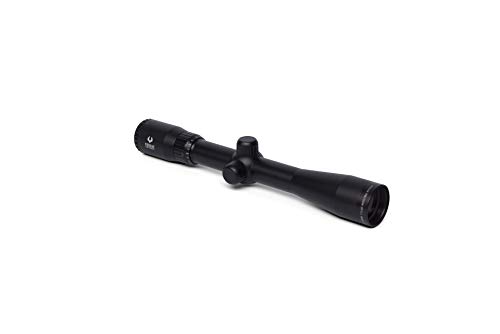
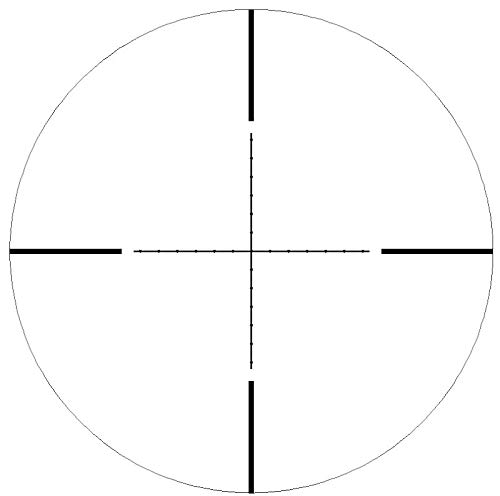
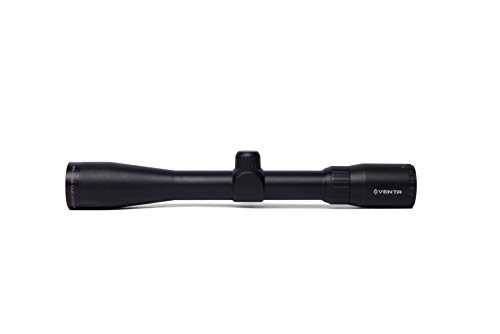
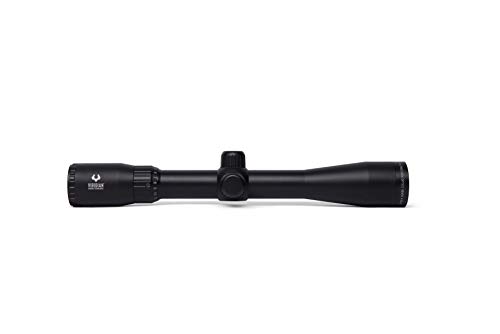
Viridian VENTA 4-16×40 SFP Mildot Reticle 30mm Tube Riflescope,
Hunting For The Perfect Rifle Scope
Whether you are a seasoned veteran hunter or an ambitious shooter, now you don’t have to settle for costly rifle scopes that overcharge your things that you will never use or need.
When it comes to professional-grade scopes for rifles, you need a brand that will give you more bang for your buck and offer you a no-nonsense, BS-free solution.
Introducing The 4-16×40 Rifle Scope For Hunting By Viridian Weapon Technologies!
Acquire your target faster and increase your field of view with our hunter-approved tube rifle scope, which is specially designed to offer you convenient eye relief and fast focus. Make sure you have a powerful ally on your side when every second counts and never miss a thing again.
Why Choose Our Rifle Scope
Reliable Waterproof & Fogproof Performance
Bright & Clear Views With Advanced Optical Coated Lenses
30mm solid aluminum tube
100% Satisfaction Guarantee
VIP Warranty
The Viridian Difference Maker:
Instead of bombarding your with endless trivia that you will never remember, we try to keep things simple and offer you a straightforward, no-BS alternative. We proudly manufacture our rifle scopes and pass the savings on to you. Rest assured that choosing a Viridian riflescope means choosing a reliable, rugged and high-performance rifle accessory that will stand the test of time.
What You Need To Know:
Field of View Angle: 6.8-2.3
Field of View Feet: 35.8-12.04
Resolution Axis: 5.83″
Parallax Setting: 100 yards
Number of Lenses: 11
Main Tube Diameter: 30mm
Objective Diameter: 40mm
Ocular Diameter: 33.9mm
Length: 12.4″
Weight: 12.34oz
What Are You Waiting For
Scroll Up & Click NOW While Supplies Last!
Rifle Scope Product Features
BOOST PRECISE TARGET ACQUISITION: The Viridian Weapon Technologies rifle scope is here to help you acquire your target with maximum efficiency thanks to its tactical and ergonomic design.
ENJOY BRIGHT & CRYSTAL CLEAR VIEWS: The 11 anti-reflective, multi-coated lenses combined with the multiple magnification options will facilitate an enhanced field of view a flawless experience.
RELIABLE PERFORMANCE UNDER PRESSURE: Your rifle scope will offer you optimal fogproof and waterproof performance, while the sturdy design makes it ideal for tactical and hunting purposes.
A MUST-HAVE SCOPE FOR SHOOTERS & HUNTERS: The combination of professional design and heavy-duty materials makes this gun scope for rifles perfect for shooters and hunters.
GET YOUR RIFLESCOPE WITH CONFIDENCE: Our goal is to make your hunting or shooting experience better with our riflescopes, which pack maximum value at a budget-friendly price. That is why we back our no-nonsense scopes with a full refund guarantee and lifetime warranty.
About the VIRIDIAN WEAPON TECHNOLOGIES Scope Maker
VIRIDIAN WEAPON TECHNOLOGIES is a premium maker for long gun scopes, optics, mounts, and other accessories used for firearms like rifles and long guns. They innovate and supply their scopes and related products using elements which are long lasting and resilient. This includes the Viridian VENTA 4-16×40 SFP Mildot Reticle 30mm Tube Riflescope, by VIRIDIAN WEAPON TECHNOLOGIES. For more shooting goods, visit their site.
Rifle Optic Info
Rifle scopes enable you to exactly aim a rifle at different targets by aligning your eye with the target over a distance. They accomplish this through zoom using a set of lenses inside the scope. The scope’s alignment can be dialed in to account for various environmental things like wind and elevation increases or decreases to account for bullet drop.
The scope’s purpose is to help shooters understand precisely where the bullet will land based on the sight picture you are viewing via the scope as you line up the scope’s crosshair or reticle with the intended point of impact. The majority of contemporary rifle scopes have about 11 parts which are located internally and outside of the scope. These optic pieces include the rifle scope’s body, lenses, elevation dials or turrets, objective focus rings, and other components. Learn about the eleven parts of rifle optics.
About Rifle Optic Styles
Rifle scopes can be either “first focal plane” or “second focal plane” type of optics. Picking the optimal type of rifle scope is based around what type of shooting you plan to do.
About First Focal Plane Glass
Focal plane scopes (FFP) include the reticle in front of the zoom lens. These kinds of scopes are useful for:
- Quick acquisition, long distance kinds of shooting
- Shooting scenarios where estimations are small
- Experienced shooters who recognize their aim point “hold over” and “lead” relationships for their long gun
- Shooters who do not mind the reticle is enlarged and uses up more visual sight space than a SFP reticle
Second Focal Plane Scope Info
Second focal plane glass (SFP) feature the reticle behind the magnifying lens. This causes the reticle to remain at the exact same scale in relation to the amount of zoom being used. The effect is that the reticle measurements evolve based upon the magnification employed to shoot over greater ranges given that the reticle measurements represent distinct increments which differ with the zoom level. In the FFP illustration with the SFP optic, the 5x “zoom” one hundred yard tick measurement would be 1/5th of the non “zoom” tick. These types of glass work for:
- Long distance types of shooting where shooters have additional time to make ballistic calculations
- Shooting where most of the shots occur within shorter ranges and spaces
- Shooters who desire a clearer optic sight picture without room taken up by the bigger FFP reticle
Zoom for Rifle Scopes
The extent of scope zoom you need on your glass depends on the style of shooting you plan to do. Nearly every kind of rifle scope delivers some degree of zoom. The volume of magnification a scope supplies is determined by the size, thickness, and curves of the lenses within the rifle scope. The zoom of the optic is the “power” of the scope. This suggests what the shooter is aiming at through the scope is amplified times the power factor of what can usually be seen by human eyes.
Fixed Power Lens Optics
A single power rifle optic and scope uses a zoom number designator like 4×32. This implies the zoom power of the scope is 4x power while the objective lens is 32mm. The magnification of this type of scope can not adjust given that it is a set power scope.
Variable Power Lens Optic Info
Variable power rifle scopes use enhanced power. The power change is handled by the power ring part of the scope near the rear of the scope by the eye bell.
Glass Power and Range Correlation
Here are some advised scope powers and the ranges where they could be successfully used. Highly magnified glass will not be as beneficial as lower magnification optics due to the fact that too much magnification can be a negative aspect depending on your shooting distance. The same idea goes for longer ranges where the shooter needs increased power to see where to properly aim the rifle at the target.
Details on Rifle Optic Lens Coating
All top of the line rifle optic lenses are coated. Lens finishing is an essential aspect of a rifle’s setup when looking into high end rifle optics and scope equipment.
ED Versus HD Optics
Some glass suppliers also use “HD” or high-def lens finishings which make the most of different procedures, polarizations, chemicals, and components to draw out separate colors and viewable target visibility through the lens. This high-definition finish is often used with increased density lens glass which lowers light’s opportunity to refract through the lens glass. Some scope producers use “HD” to describe “ED” implying extra-low dispersion glass. ED handles how certain colors are represented on the chromatic spectrum and the chromatic deviance or aberration which is also called color distortion or fringing. Chromatic aberration can be noticeable around things with well defined outlines as light hits the item from various angles.
About Single Finish Versus Multi-Coating
Different scope lenses can also have various coatings applied to them. All lenses generally have at least some kind of treatment or coating applied to them prior to being used in a rifle scope or optic assembly. This is because the lens isn’t simply a raw piece of glass. It becomes part of the carefully tuned optic. It must have a covering applied to it so that the lens will be optimally functional in numerous kinds of environments, degrees of light (full light VS shade), and other shooting conditions.
This lens treatment can offer protection to the lens from scratches while reducing glare and other less advantageous things experienced in the shooting environment while sighting in with the scope. The quality of a single coated lens depends on the scope maker and how much you paid for it.
Some scope producers similarly make it a point to define if their optic lenses are layered or “multi” covered. Being “better” depends on the manufacturer’s lens treatment technology and the quality of products used in building the rifle scope.
Hydrophobic Optic Lens Coating
Water on an optic’s lens doesn’t help with maintaining a clear sight picture through a scope at all. Lots of top of the line or high-end scope manufacturers will coat their lenses with a hydrophilic or hydrophobic coating. The Steiner Optics Nano-Protection is a good example of this type of treatment. It provides protection for the exterior surfaces of the Steiner scope lens so the water molecules can not bind to it or produce surface tension. The outcome is that the water beads sheet off of the scope to maintain a clear, water free sight picture.
Choices for Installing Rifle Optics on Long Guns
Mounting options for scopes are available in a couple of choices. There are the standard scope rings which are individually mounted to the optic and one-piece mounts which cradle the scope. These various types of mounts also generally are made in quick release versions which use manual levers which enable rifle shooters to rapidly install and dismount the scope.
Hex Key Scope Ring Mounting Solutions
Standard, clamp-on design mounting optic rings use hex head screws to position to the flattop style Picatinny scope mounting rails on the tops of rifles. These forms of scope mounts use two detached rings to support the optic, and are normally made from 7075 T6 billet aluminum or similar materials which are designed for long distance precision shooting. This kind of scope mount is very good for rifle systems which require a resilient, rock solid mount which will not shift regardless of just how much the scope is moved about or jarring the rifle takes. These are the type of mounts you should get for a specialized scope setup on a long distance hunting or competitors firearm that will seldom need to be modified or recalibrated. Blue 242 Loctite threadlocker can additionally be used on the screws to stop the hex screw threads from backing out after they are mounted tightly in position. An example of these mounting rings are the 30mm type made by the Vortex Optics brand. The set usually costs around $200 USD
Quick-Release Cantilever Scope Ring Mounts
These types of quick-release rifle scope mounts can be used to rapidly remove a scope and connect it to a different rifle. Several scopes can also be swapped out if they all use a compatible style mount. These types of mounts are handy for rifle platforms which are carried a lot, to swap out the optic from the rifle for protection, or for scopes which are used between several rifles or are situationally focused.
Sealing and Gas Purging for Rifle Glass Tubes
Moisture inside your rifle optic can mess up a day of shooting and your expensive optic by bringing about fogging and developing residue inside of the scope tube. Many scopes prevent wetness from getting in the scope tube with a system of sealing O-rings which are water resistant.
Glass Gas Purging
Another component of preventing the buildup of wetness within the rifle optic tube is filling the tube with a gas like nitrogen. Since this space is currently taken up by the gas, the glass is less influenced by temperature level alterations and pressure differences from the external environment which could potentially allow water vapor to leak in around the seals to fill the vacuum which would otherwise exist. These are good qualities of a good rifle scope to seek out.


