
Description
Rifle Scope Product Details
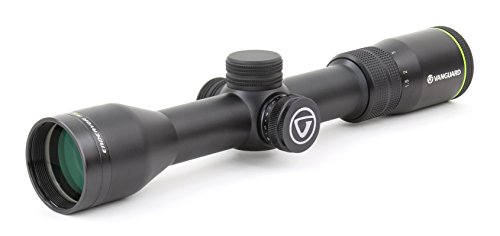
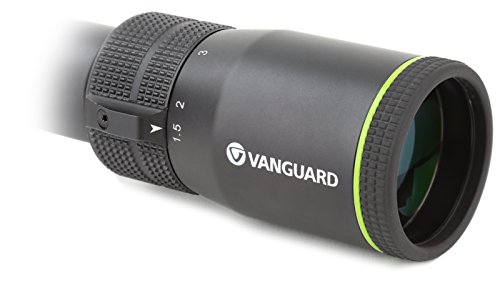
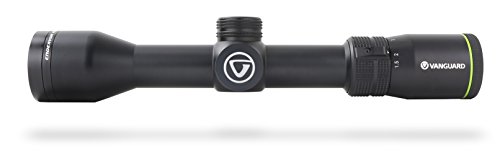
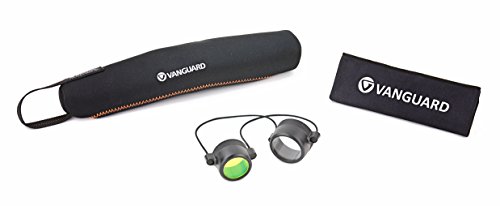
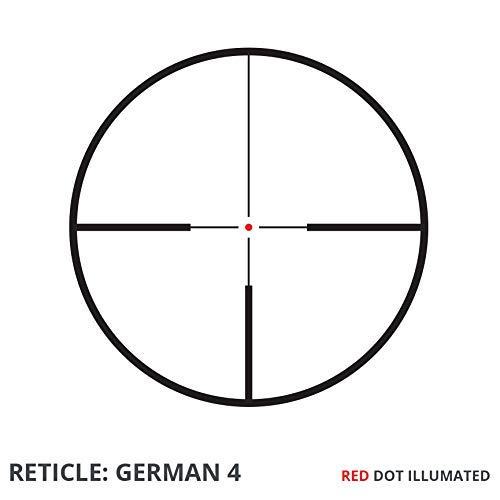
VANGUARD Endeavor RS IV 1.5-6×42 30mm Riflescope, German 4 Reticle, Illuminated
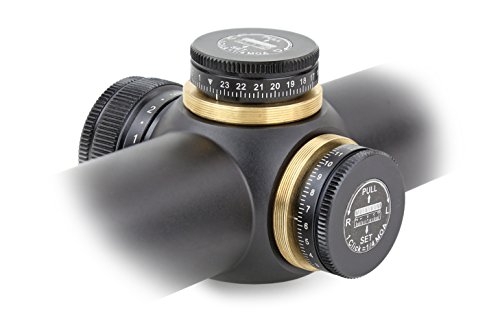
Endeavor RS IV offers acclaimed Vanguard quality in a premium European tube design to meet the performance requirements of the aspiring and professional user. Exceptional image quality is delivered through multilayer anti-reflective coatings for increased light transmission and optical designs using premium HOYA ED glass. Large fields of view, a rapid focus eyepiece, and enhanced contrast combine to deliver a positive experience afield. The single piece 30MM tube is constructed from high grade T6061 aluminum, and with its hard anti-scratch anodized matte surface deliver a robust and ergonomic platform. The Endeavor RS IV is sealed against dust and moisture, nitrogen purged, and recoil resistant to provide a lifetime of dependability and success. Precise windage and elevation adjustments offer reset capability and accuracy with a locking side parallax system on certain models. The Endeavor RS IV offers illuminated Duplex and German #4 reticles for easy application in low light. Engineered to handle rugged terrain in the most challenging conditions and backed by our Industry Leading Warranty. Vanguard manufactures the Endeavor RS IV in its own factory to ensure the highest quality from start to finish. A 30MM European tube with an all-purpose possibility. Whether stalking dangerous game, chasing wild boar or stand hunting deer, this model offers a generous field of view (70.5 ” 15.6 ft. / 100yds), superb eye relief, and versatile magnification with a large exit pupil and illuminated reticle for low light performance.
Rifle Scope Product Features
One Piece Solid Aircraft Grade Aluminum Body and Hard and Durable Anodized Finish
Precise Windage & Elevation Adjustment with Zero Reset Feature and Four Times Zoom Factor
Premium HOYA ED Glass Provides True Color and Edge to Edge Clarity and Advanced MultiGuard Coatings for Higher Light Transmittance
Rapid Focus Eyepiece and Illuminated Reticle. Premium Lifetime Warranty
Magnification: 1.5~6. Objective Diameter: 42mm. Tube Size: 30mm. Weight: 22.2 ounces. Scope length: 11.93″. Exit Pupil: 15.5~7.0mm. View angle: 13.5~3.0 degrees. Field of View: 70.5~15.6 ft/100 yards. Eye Relief: 4.11~3.54″.
About the Vanguard Company
Vanguard is a premium company for weapon scopes, optics, mounting solutions, and other components used for guns like rifles and long guns. They create and build their products choosing building materials which are durable and long lasting. This includes the VANGUARD Endeavor RS IV 1.5-6×42 30mm Riflescope, German 4 Reticle, Illuminated by Vanguard. For more shooting goods, visit their site.
Facts About Glass
Rifle scopes enable you to exactly aim a rifle at different targets by aligning your eye with the target over a range. They do this through magnifying the target by using a series of lenses within the scope. The scope’s alignment can be adapted to account for various ecological things like wind and elevation increases or decreases to make up for bullet drop.
The scope’s function is to help the shooter understand exactly where the bullet will hit based upon the sight picture you are viewing using the scope as you line up the scope’s crosshair or reticle with the intended point of impact. Most modern-day rifle scopes and optics have about 11 parts which are located inside and externally on the optic. These optic pieces include the rifle scope’s body, lenses, modification dials, focus rings, and other parts. See all eleven parts of optics.
Rifle Optic Styles
Rifle scopes can be either “first focal plane” or “second focal plane” style of scopes. The type of focal plane a scope has establishes where the reticle or crosshair is located in connection with the scopes magnifying adjustments. It actually indicates the reticle is behind or before the magnification lens of the scope. Picking the most beneficial style of rifle optic is dependent on what type of shooting or hunting you plan on undertaking.
About First Focal Plane Glass
Focal plane scopes (FFP) feature the reticle in front of the zoom lens. These styles of scopes are helpful for:
- Quick acquisition, far away types of shooting
- Shooting situations where calculations are very little
- Experienced shooters who know their aim point “hold over” and “lead” correlations for their firearm
- Shooters who don’t mind the reticle is enlarged and occupies more visual eyesight room than a SFP reticle
Second Focal Plane Optic Facts
Second focal plane glass (SFP) include the reticle behind the magnifying lens. This triggers the reticle to stay at the very same overall size relative to the level of magnification being used. The end result is that the reticle measurements alter based upon the magnification used to shoot over greater distances since the reticle measurements represent distinct increments which change with the magnification level. In the FFP example with the SFP glass, the 5x “zoom” 100 yard tick measurement would be 1/5th of the non “zoom” tick reticle measurement. These kinds of glass work for:
- Far away forms of shooting where shooters have extra time to make ballistic computations
- Shooting where most shots happen within shorter proximities and ranges
- Shooters who choose a clearer optic sight picture without room taken up by the larger size FFP reticle
Magnification for Optics
The quantity of magnification a scope supplies is identified by the size, density, and curvatures of the lenses inside of the rifle scope. The magnification of the scope is the “power” of the scope.
Fixed Single Power Lens Scope Info
A single power rifle scope or optic will have a zoom number designator like 4×32. This implies the zoom power of the scope is 4x power while the objective lens is 32mm. The zoom of this type of scope can not fluctuate because it is a fixed power scope.
Adjustable Power Lens Rifle Scopes
Variable power rifle scopes use variable power levels. The power adjustment is accomplished by using the power ring part of the scope near the rear of the scope by the eye bell.
Power and Range
Here are some suggested scope power settings and the ranges where they can be effectively used. Consider that high power optics and scopes will not be as practical as lower powered glass due to the fact that increased magnification can be a bad thing. The exact same idea relates to longer distances where the shooter needs to have enough power to see precisely where to properly aim the rifle at the target.
About Optic Lens Coverings
All modern-day rifle scope and optic lenses are coated. There are different types and qualities of glass finishes. Lens coating is an important aspect of a rifle when considering luxury rifle optics and targeting units. The lenses are one of the most crucial pieces of the optic as they are what your eye looks through while sighting a rifle in on the point of impact. The covering on the lenses protects the lens exterior and even helps with anti glare from refracted natural light and color profiles.
Details on Rifle Glass Lens Coatings – HD Versus ED
Some glass makers also use “HD” or high-def lense coverings which employ different procedures, aspects, polarizations, and chemicals to enhance separate color ranges and viewable target visibility through the lens. This high-def coating is typically used with more costly high density glass which brings down light’s ability to refract through the lens glass. Some scope vendors use “HD” to refer to “ED” meaning extra-low dispersion glass. ED deals with how colors are presented on the chromatic spectrum and the chromatic aberration or difference which is similarly called color distortion or fringing. Chromatic aberration can be visible around things with defined outlines as light hits the object from certain angles.
Glass Lens Single Covering Versus Multi-Coating
Different scope lenses can also have various coatings applied to them. All lenses typically have at least some kind of treatment or coating applied to them prior to being used in a rifle scope or optic assembly. Since the lens isn’t simply a raw piece of glass, they require performance enhancing coatings. It becomes part of the carefully tuned optic. It requires a coating to be applied to it so that it will be optimally usable in many types of environments, degrees of light (full light VS shade), and other shooting conditions.
Single layered lenses have a treatment applied to them which is generally a protective and enhancing multi-purpose treatment. This lens treatment can preserve the lens from scratches while reducing glare and other less advantageous things experienced in the shooting environment while sighting in with the scope. The quality of a single layered lens depends on the scope designer and how much money you spent on it. Both the make and cost are signs of the lens quality.
Some scope makers likewise make it a point to define if their optic lenses are coated or “multi” coated. This implies the lens has had several treatments applied to the surfaces of the glass. If a lens gets multiple treatments, it can prove that a manufacturer is taking numerous actions to combat different environmental aspects like an anti-glare finishing, a scratch resistant anti-abrasion covering, followed by a hydrophilic finish. This additionally does not necessarily indicate the multi-coated lens will perform better than a single coated lens. Being “better” depends on the producer’s lens treatment solutions and the quality of components used in building the rifle scope.
Hydrophobic Covering for Rifle Glass
Water on a scope’s lens does not improve keeping a clear sight picture through a scope whatsoever. Numerous top of the line or high-end optic manufacturers will coat their lenses with a hydrophilic or hydrophobic finish. The Steiner Optics Nano-Protection is a good example of this kind of treatment. It treats the surface of the Steiner glass lens so the water molecules can not bind to it or produce surface tension. The result is that the water beads move off of the scope to maintain a clear, water free sight picture.
Glass Installing Alternatives
Installing solutions for scopes come in a few choices. There are the basic scope rings which are separately installed to the optic and one-piece mounts which cradle the scope. These different kinds of mounts also usually come in quick release versions which use throw levers which enable rifle operators to quickly install and remove the optics.
Hex Key Rifle Scope Ring Mounting Solutions
Standard, clamp style mounting optic rings use hex head screws to install to the flattop style Picatinny scope mount rails on rifles. These styles of scope mounts use two detached rings to support the optic, and are usually constructed from 7075 T6 billet aluminum which are designed for far away accuracy shooting. This type of scope mount is very good for rifle systems which require a durable, unfailing mount which will not move no matter how much the scope is moved or abuse the rifle takes. These are the style of mounts you really want to have for a specialized scope system on a far away hunting or hard target interdiction firearm that will pretty much never need to be modified or recalibrated. Blue 242 Loctite threadlocker can additionally be used to stop the hex screws from backing out after they are mounted securely in position. An example of these mounting rings are the 30mm type made by the Vortex Optics company. The set usually costs around $200 USD
Quick-Release Cantilever Rifle Scope Rings
These types of quick-release rifle scope mounts can be used to quickly connect and detach a scope from a rifle before reattaching it to a different rifle. Several scopes can also be swapped out if they all use a similar design mount. These types of mounts come in handy for rifles which are transferred a lot, to swap out the optic from the rifle for protecting the scope, or for optics which are used in between several rifles or are situationally focused.
Rifle Scope Tube Sealing and Gas Purging
Moisture inside your rifle optic can wreck a day of shooting and your costly optic by resulting in fogging and creating residue within the scope’s tube. Most scopes protect against wetness from going into the optical tube with a system of sealing O-rings which are water resistant. Normally, these optics can be immersed under 20 or 30 feet of water before the water pressure can push moisture past the O-rings. This should be sufficient humidity avoidance for conventional use rifles, unless you plan on taking your rifle sailing and are concerned about the scope still working if it is submerged in water and you can still find the gun.
What to Know About Rifle Optic Tube Gas Purging
Another part of avoiding the accumulation of moisture inside of the rifle scope’s tube is filling the tube with a gas like nitrogen. Because this space is currently occupied by the gas, the scope is less influenced by temp alterations and pressure distinctions from the outdoor environment which could potentially enable water vapor to leak in around the seals to fill the vacuum which would otherwise be there. These are good qualities of a decent rifle scope to look for.


