
Description
Rifle Scope Product Details
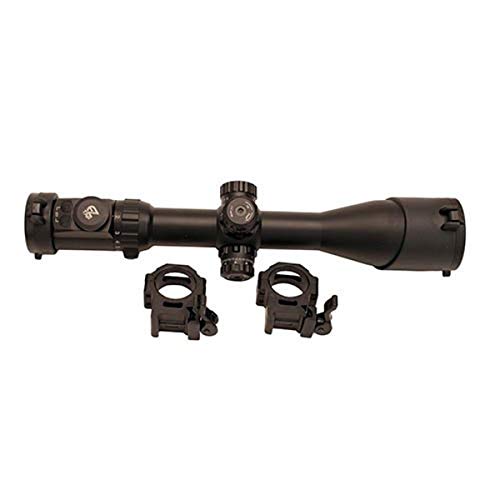
UTG 2-16X44 30mm Multi-range Scope, AO, 36-colors, QD Rings
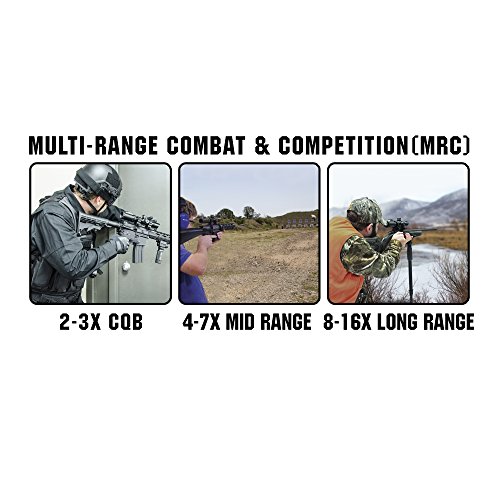
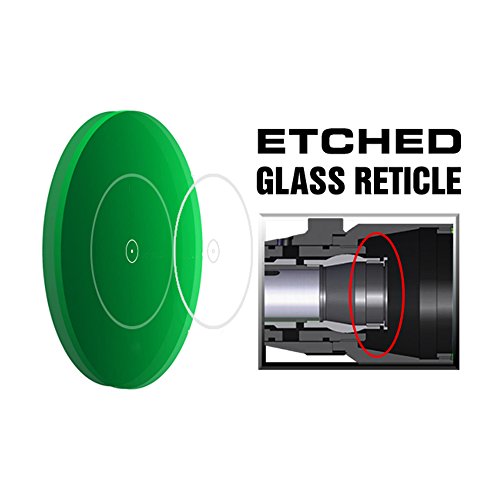
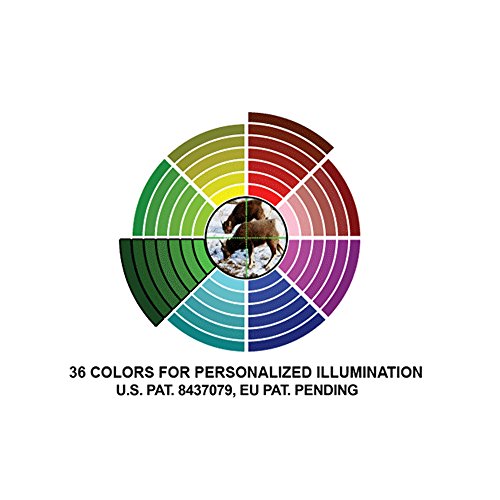
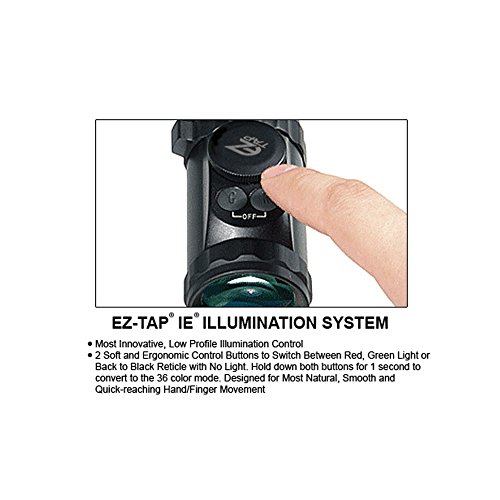
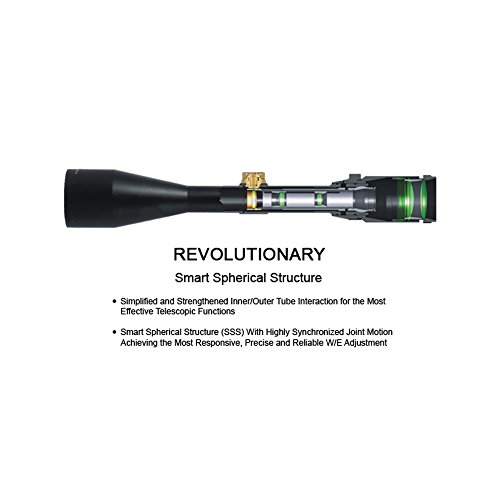
Accushot UTG 2-16X44 30mm multi-range scope, AO, 36-colors, QD rings. Features: – UTG breakthrough T8 optics Series with 8x zoom superior technology – provides advanced multi-range capabilities from CQB close quarters combat, mid-range hunting or Recon/Scout operations, to long range precision aiming applications – built on true strength platform, completely sealed and Nitrogen filled, shockproof, fogproof and rainproof – 30mm tube & multi Emerald coated lenses for maximum light and edge to edge clarity – innovative EZ-TAP illumination Enhancing (IE) system with Red/green dual-color mode and 36 colors in multi-color mode to accommodate all weather/light conditions (U.S. Pat. 8, 437, 079) – 1-Click high-tech illumination memory feature gets the user right back to the color/brightness setting last used – etched glass Mil-Dot range Estimating reticle for most optimal aiming and shooting performance – premium zero lockable and zero resettable target turrets with most consistent and precise 1/4 MOA per click adjustment – side wheel adjustable turret (SWAT) for Parallax adjustment from 10 yards to Infinity – TactEdge angled integral sunshade – complete with Flip-up lens covers and max strength QD lever lock Picatinny/Weaver rings
Rifle Scope Product Features
package dimensions :38.862 cm L x 7.62 cm W x 6.35 cm H
Product type :SPORTING GOODS
country of origin:China
Package weight :5.0lbs
Provides Advanced Multi-range Capabilities from CQB, Mid-range Hunting or Recon/Scout Operations, to Long Range Precision Aiming Applications
About the Accu-Shot Manufacturer
Accu-Shot is a premium producer for weapon scopes, optics, mounts, and other accessories used for guns like rifles and long guns. They design and supply their scopes and related products using elements which are long lasting and durable. This includes the UTG 2-16X44 30mm Multi-range Scope, AO, 36-colors, QD Rings by Accu-Shot. For additional shooting items, visit their website.
What You Need to Know About Rifle Scopes
Rifle scopes enable you to specifically aim a rifle at different targets by aligning your eye with the target at range. They accomplish this through magnifying the target by utilizing a series of lenses within the scope. The scope’s positioning can be adjusted for consideration of many ecological elements like wind and elevation to make up for bullet drop.
The scope’s purpose is to help the shooter understand precisely where the bullet will land based upon the sight picture you are viewing through the scope as you line up the scope’s crosshair or reticle with the target. Many contemporary rifle scopes and optics have about 11 parts which are arranged inside and on the exterior of the optic. These parts consist of the rifle scope’s body, lenses, elevation turrets or dials, focus rings, and other components. Learn about the eleven parts of glass.
About Scope Varieties
Rifle scopes can be either “first focal plane” or “second focal plane” kind of scopes. The style of focal plane an optic has identifies where the reticle or crosshair lies relative to the scopes zoom. It actually indicates the reticle is located behind or before the magnifying lens of the optic. Selecting the best kind of rifle optic depends on what type of shooting or hunting you anticipate doing.
First Focal Plane Glass
Focal plane scopes (FFP) come with the reticle in front of the zoom lens. This induces the reticle to increase in size based on the level of zoom being used. The result is that the reticle measurements are the same at the amplified range as they are at the non amplified distance. One tick on a mil-dot reticle at one hundred yards with no “zoom” is still the very same tick at 100 yards by using 5x “zoom”. These kinds of scopes are valuable for:
- Quick acquisition, long distance kinds of shooting
- Shooting situations where computations are very little
- Experienced shooters who understand their aim point “hold over” plus “lead” relationships for their long gun
- Shooters who do not mind the reticle is enlarged and requires more visual sight area than a SFP reticle
Second Focal Plane Glass
Second focal plane glass (SFP) feature the reticle behind the magnification lens. This triggers the reticle to remain at the same scale in connection with the level of zoom being used. The end result is that the reticle dimensions adapt based upon the magnification chosen to shoot over greater distances because the reticle measurements represent distinct increments which differ with the magnification level. In the FFP example with the SFP glass, the 5x “zoom” one hundred yard tick reticle measurement would be 1/5th of the non “zoom” tick reticle measurement. These sorts of glass are beneficial for:
- Long distance forms of shooting where shooters have extra time to make ballistic estimations
- Shooting where most of the shots occur within shorter ranges and distances
- Shooters who select a clearer optic picture without space taken up by the larger sized FFP reticle
Ins and Outs of Scope Zoom
The extent of scope magnification you need on your optic depends upon the sort of shooting you wish to do. Virtually every style of rifle scope offers some level of magnification. The quantity of magnification a scope supplies is established by the diameter, thickness, and curvatures of the lens glass inside of the rifle optic. The zoom of the optic is the “power” of the glass. This implies what the shooter is aiming at through the scope is amplified times the power element of what can generally be seen by human eyes.
Fixed Power Lens Rifle Optic Facts
A single power rifle optic and scope uses a magnification number designator like 4×32. This implies the zoom power of the scope is 4x power while the objective lens is 32mm. The zoom of this kind of optic can not change considering that it is set from the factory.
Info About Variable Power Lens Glass
Variable power rifle scopes use enhanced power. The power adjustment is accomplished by making use of the power ring part of the scope near the back of the scope by the eye bell.
Rifle Glass Power and Ranges
Here are some recommended scope powers and the distances where they could be efficiently used. High power glass will not be as beneficial as lower magnification level scopes considering too much magnification can be a bad thing. The exact same idea relates to longer ranges where the shooter needs adequate power to see exactly where to best aim the rifle.
Rifle Glass Lens Coating
All modern rifle scope lenses are coated. There are different types and qualities of lens finishings. When shopping for high end rifle scope units, Lens coating can be a critical aspect of defining the rifle’s capability. The glass lenses are among the most significant pieces of the glass considering they are what your eye looks through while sighting a rifle in on the point of impact. The finishing on the lenses protects the lens exterior as well as improves anti glare from refracted light and color visibility.
HD Versus ED Lens Coatings
Some glass manufacturers also use “HD” or high-definition glass finishings that employ various processes, rare earth compounds, polarizations, and aspects to draw out a wide range of colors and viewable target visibility through lenses. This high-def finishing is frequently used with greater density glass which brings down light’s ability to refract through the lens glass. Some scope makers use “HD” to describe “ED” suggesting extra-low dispersion glass. ED deals with how colors are presented on the chromatic spectrum and the chromatic aberration or difference which is similarly called color distortion or fringing. Chromatic aberration may be noticeable over things with hard outlines as light hits the item from various angles.
Info on Single Finish Versus Multi-Coating
Different scope lenses can even have various finishes applied to them. All lenses generally have at least some type of treatment or coating applied to them prior to being used in a rifle scope or optic. Due to the fact that the lens isn’t simply a raw piece of glass, they require performance enhancing coatings. It becomes part of the finely tuned optic. It requires a coating to be applied to it so that it will be optimally functional in numerous kinds of environments, degrees of sunlight (full light VS shaded), and other shooting conditions.
This lens treatment can offer protection to the lens from scratches while lowering glare and other less helpful things experienced in the shooting environment while sighting in with the scope. The quality of a single covered lens depends on the scope maker and how much you paid for it.
Some scope makers likewise make it a point to specify if their optic lenses are covered or “multi” coated. This implies the lens has had several treatments applied to the surfaces. If a lens receives numerous treatments, it can show that a producer is taking numerous steps to fight various environmental elements like an anti-glare covering, a scratch resistant anti-abrasion covering, followed by a hydrophilic covering. This additionally does not necessarily mean the multi-coated lens is much better than a single coated lens. Being “much better” depends upon the manufacturer’s lens treatment solutions and the quality of materials used in developing the rifle scope.
Anti-water Lens Coating
Water on an optic’s lens does not assist with preserving a clear sight picture through an optic whatsoever. Many top of the line or high-end scope manufacturers will coat their lenses with a hydrophobic or hydrophilic finish. The Steiner Optics Nano-Protection is a fine example of this kind of treatment. It deals with the surface of the Steiner scope lens so the H2O molecules can not bind to it or develop surface tension. The result is that the water beads slide off of the scope to keep a clear, water free sight picture.
Alternatives for Installing Glass on Long Guns
Installing options for scopes are available in a couple of choices. There are the standard scope rings which are separately installed to the scope and one-piece mounts which cradle the scope. These different kinds of mounts also usually can be found in quick release variations which use toss levers which enable rifle shooters to quickly mount and dismount the scopes.
Hex Key Rifle Optic Rings
Standard, clamp design mounting optic rings use hex head screws to install to the flattop design Picatinny scope mount rails on rifles. These forms of scope mounts use two detached rings to support the scope, and are normally constructed from 7075 T6 billet aluminum or similar materials which are developed for far away accuracy shooting. This type of scope mount is effective for rifles which need to have a resilient, hard use mount which will not change despite how much the scope is moved about or jarring the rifle takes. These are the style of mounts you should have for a devoted optics setup on a far away scouting or sniper competition rifle which will hardly ever need to be modified or adjusted. Blue 242 Loctite threadlocker can additionally be used on the screws to prevent the hex screws from backing out after they are installed tightly in place. An example of these rings are the 30mm style from the Vortex Optics brand. The set normally costs around $200 USD
Glass Mounts with Quick-Release Cantilever Rings
These types of quick-release rifle scope mounts can be used to quickly attach and take off a scope from a rifle before reattaching it to a different rifle. Multiple scopes can even be swapped out if they all use a compatible style mount. These types of mounts are convenient for rifle platforms which are transferred a lot, to remove the optic from the rifle for protection, or for optics which are used in between multiple rifles.
Rifle Scope Tube Sealing and Gas Purging
Moisture inside your rifle scope can spoil a day of shooting and your expensive optic by inducing fogging and developing residue inside of the scope’s tube. A lot of optics prevent humidity from entering the scope tube with a series of sealing O-rings which are water resistant. Usually, these water-resistant optics can be submerged within 20 or 30 feet of water before the water pressure can force moisture past the O-rings. This should be sufficient humidity prevention for standard use rifles, unless you intend on taking your rifle aboard watercrafts and are worried about the scope still performing if it falls overboard and you can still rescue the rifle.
Rifle Scope Gas Purging
Another part of avoiding the buildup of wetness within the rifle scope’s tube is filling the tube with a gas like nitrogen. Considering that this area is already occupied by the gas, the optic is less affected by temperature level shifts and pressure differences from the outside environment which could potentially allow water vapor to seep in around the seals to fill the vacuum which would otherwise exist. These are good qualities of a decent rifle scope to seek out.


