
Description
Rifle Scope Product Details
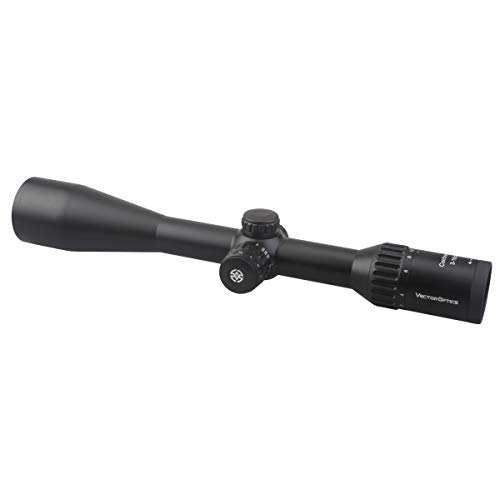
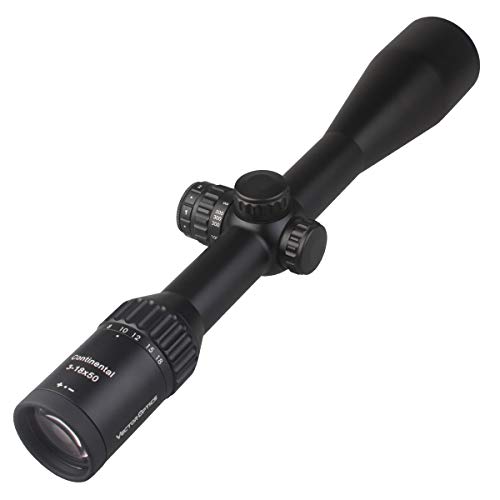
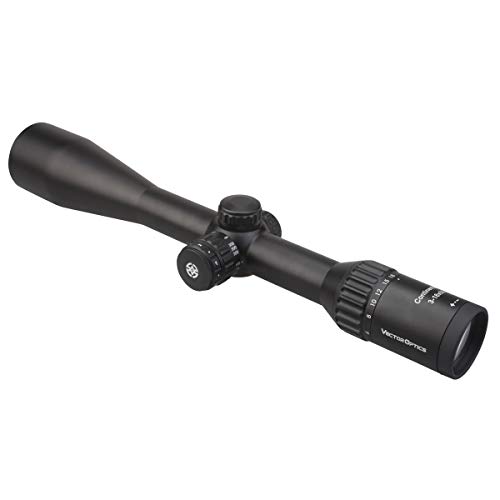
TAC Vector Optics Continental 3-18×50 Riflescope Hunting Rifle Scope Color Black (3-18×50)
Rifle Scope Product Features
Tactical Riflescope – Continental 3-18×50 rifle scope providing crystal clear targeting at 3-18x magnification, with a 50mm objective diameter and an eye relief of Eye Relief:100mm (4.0 inch), Field of view 41.5-6.9 Feet @ 100 yards; Illumination:Six gear.
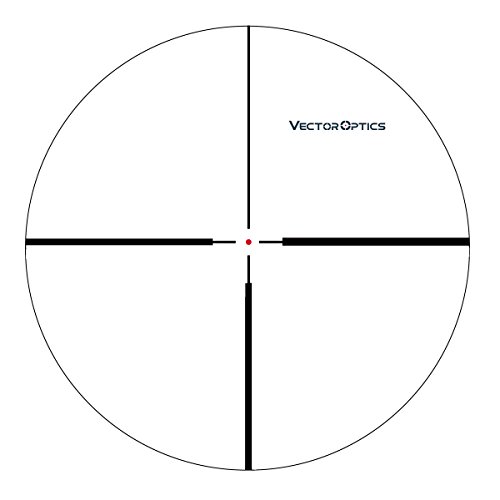
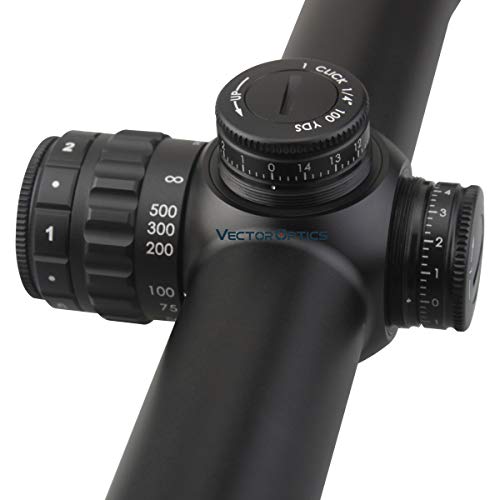
High Quality – Made of High quality 6061 T6 aircraft grade aluminum; German Optical System with Crystal Clear Image, 30mm Monotube, Take Lapua Recoil Return-to-Zero Turret, Light Transmission Reaches to 90%, Etched Glass #4 Reticle, 1/4 MOA Adjust, Center Dot Illuminated
Long Eye Relief – With long eye relief and an ultra-forgiving eye box, you’ll be able to quickly get a sight picture and acquire your target. The fast focus eyepiece allows quick and easy reticle focusing.
Fully Nitrogen Purged – 100% Waterproof, fog proof, & shockproof, Fully nitrogen purged to eliminate any fogging of the lenses internally
5 Years Warranty – We are proud to offer Five years warranty as we are extremely confident in our products. Your Vector Optics product is warranted free of defects in materials and workmanship for a period of 5 years from time of purchase by the original purchaser
TAC Vector Optics, One of the top-rated riflescopes in the new century.
A company delivers a wide range of riflescopes, reflex sights, range finders, mounts, lights & more.
A company has been engaged in this field more than 10 Years with tailored service, support and solution.
A company insists in products 100% detailed inspection before shipping via engineers and instruments.
A company sales turnover grows at least 25% developing more than 30 new products by RD department every year.
A company always stands behind its products spending USD 5000 on marketing and advertising every month.
TAC Vector Optics Riflescope
TAC Vector Optics, One of the top-rated riflescopes in the new century
We align ourselves with VECTOR’s core values: delivering a wide range of Optical Riflescope, Red Dot Scopes, Sights, Range Finder, Rail Systems, Flashlights, Mounts and more.
Our strategy relies on rapid market growth and exploring in the optics business to achieve our vision: VECTOR being “The World’s Premier Brand -Today and Tomorrow.
TAC Vector Optics Top Line Product That Can Compete Worldwide Famous Brand Optics
Various Style Riflescope
Fully Multicoated Lens Coatings Increase Light Transmission for the Brightness you need in Low-light Conditions.
High Quality
100% Waterproof, fog proof, & shockproof, made of High quality 6061 T6 aircraft grade aluminum; Completely sealed and nitrogen filled reticle ensures outstanding water and fog-proof performance.
TAC Vector Optics Continental 3-18×50 Riflescope
German Optical System with Crystal Clear Image, 30mm Monotube, Return-to-Zero Turret
Etched Glass #4 Reticle, 1/4MOA Adjust, Center Dot Illumination, Light Transmission Reaches to 90%
Continental 3-18×50 Riflescope
Continental 5-30×56 Riflescope
Continental 2-12×50
Continental 1.5-9×42
TAC Vector Optics Tactical Riflescope Reticle Hunting Scope
Model: SCOL-21, Magnification: 3-18x, Weight 630g (22.2 ounce) , 1/4 M.O.A turrets adjustments
Model: SCOL-22, Magnification: 5-30x, Weight 630g (22.2 ounce) , 1/4 M.O.A turrets adjustments
Model: SCOM-15, Magnification: 2-12x, Weight 605g (21.4 ounce) 1/4 M.O.A turrets adjustments
Model: SCOM-23, Magnification: 1.5-9x, Weight:580g (20.5 ounce) ,1/4 M.O.A turrets adjustments
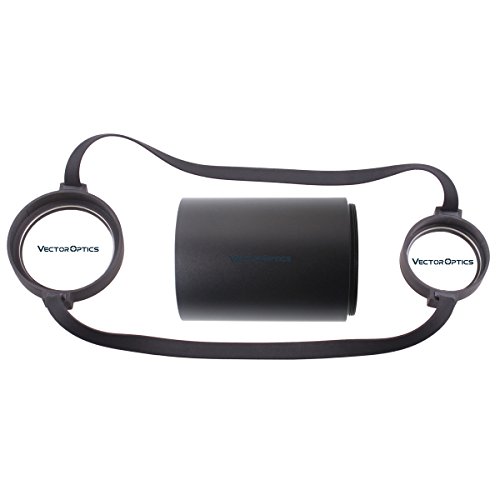
Including items: 30mm picatinny high ring (default) or weaver or dovetail mount, lens caps and cleaning cloth etc.
Sentinel 10-40×50 Riflescope Continental 3-18×50 Riflescope Continental 5-30×56 Riflescope Tactical Streak 4×22 Carry Handle Compact Riflescope Telescopic Sight SVD Dragunov 1×28 Red Dot Scope Sight
Reticle Etched Glass MPR-3 Etched glass German #4 Etched glass half-mil R3 N/A
Magnification 10-40x 3-18x 5-30x 4x
Objective Lens Diamete 50mm 50mm 56mm 22mm
Illuminated Reticle
About the TAC Vector Optics Scope Maker
TAC Vector Optics is a premium company for weapon scopes, optics, mounting solutions, and other add-ons used for guns like rifles and long guns. They create and supply their scopes and related products making the most of materials which are resilient and long lasting. This includes the TAC Vector Optics Continental 3-18×50 Riflescope Hunting Rifle Scope Color Black (3-18×50) by TAC Vector Optics. For additional shooting products, visit their site.
What You Need to Know About Glass
Rifle scopes enable you to specifically aim a rifle at different targets by lining up your eye with the target over a range. They accomplish this through magnifying the target by utilizing a series of lenses inside the scope. The scope’s positioning can be dialed in for consideration of different environmental elements like wind speed and elevation to account for bullet drop.
The scope’s function is to help the shooter understand precisely where the bullet will hit based on the sight picture you are seeing with the scope as you line up the scope’s crosshair or reticle with the intended target. Most modern rifle scopes and optics have about 11 parts which are located internally and outside of the optic. These parts include the rifle scope’s body, lenses, modification dials, objective focus rings, and other components. See all eleven parts of a rifle optical system.
The Types of Rifle Scopes
Rifle scopes can be either “first focal plane” or “second focal plane” style of scopes. The style of focal plane a scope has decides where the reticle or crosshair is located in regard to the scopes magnification. It literally indicates the reticle is situated behind or in front of the magnifying lens of the scope. Considering the best kind of rifle scope is based on what style of shooting or hunting you plan on undertaking.
First Focal Plane Optic Info
First focal plane scopes (FFP) come with the reticle in front of the magnification lens. This induces the reticle to increase in size based on the amount of magnification being used. The result is that the reticle measurements are the same at the amplified distance as they are at the non magnified distance. As an example, one tick on a mil-dot reticle at 100 yards with no “zoom” is still the very same tick at one hundred yards with 5x “zoom”. These types of scopes work for:
- Quick acquisition, far away kinds of shooting
- Shooting scenarios where computations are marginal
- Experienced shooters who have an idea for their aim point “hold over” plus “lead” correlations for their rifles
- Shooters who do not mind the reticle is enlarged and requires more visual sight space than a SFP reticle
Info on Second Focal Plane Glass
Second focal plane optics (SFP) include the reticle to the rear of the magnification lens. In the FFP example with the SFP scope, the 5x “zoom” 100 yard tick measurement would be 1/5th of the non “zoom” tick.
- Long distance styles of shooting where shooters have extra time to make ballistic computations
- Shooting where most of the shots take place within shorter distances and ranges
- Shooters who choose a clearer optic sight picture with less room taken up by the bigger FFP reticle
Rifle Optic Magnification
The measure of scope magnification you need is based on the sort of shooting you wish to do. Pretty much every kind of rifle optic gives some amount of magnification. The amount of zoom a scope provides is established by the size, thickness, and curvatures of the lenses inside of the rifle optic. The zoom of the optic is the “power” of the opic. This means what the shooter is aiming at through the scope is amplified times the power element of what can normally be seen by human eyes.
Info on Fixed Single Power Lens Rifle Glass
A single power rifle scope will have a magnification number designator like 4×32. This indicates the magnification power of the scope is 4x power and the objective lens is 32mm. The zoom of this kind of optic can not fluctuate since it is set from the factory.
About Adjustable Power Lens Optics
Variable power rifle scopes use variable power levels. The power modification is achieved by making use of the power ring part of the scope near the rear of the scope by the eye bell.
Power and Range Correlations
Here are some suggested scope powers and the ranges where they can be efficiently used. High power glass will not be as beneficial as lower magnification scopes due to the fact that too much zoom can be a negative aspect depending on your shooting distance. The exact same concept goes for extended ranges where the shooter needs increased power to see where to best aim the rifle at the target.
About Lens Finish
All top of the line rifle scope lenses are coated. Lens finishing is a vital aspect of a shooting platform when thinking about high end rifle optics and scope equipment.
HD Versus ED Lenses
Some scope companies will also use “HD” or high-def lense coverings which employ various procedures, aspects, chemical substances, and polarizations to enhance different color ranges and viewable target definition through lenses. This HD finish is frequently used with greater density lens glass which lowers light’s capability to refract through the lens glass. Some scope vendors use “HD” to refer to “ED” suggesting extra-low dispersion glass. ED deals with how certain colors are represented on the chromatic spectrum and the chromatic deviance or aberration which is similarly called color distortion or fringing. Chromatic aberration is often noticeable around things with well defined shapes as light hits the item from specific angles.
Single Finish Versus Multi-Coating
Various optic lenses can likewise have various coatings applied to them. All lenses normally have at least some type of treatment or covering applied to them before they are used in a rifle scope or optic.
Single layered lenses have a treatment applied to them which is generally a protective and boosting multi-purpose treatment. This lens treatment can safeguard the lens from scratches while reducing glare and other less useful things experienced in the shooting environment while sighting in with the optic. The quality of a single covered lens depends upon the scope developer and just how much you spent paying for it. Both the manufacturer and amount are indications of the lens quality.
Some scope makers also make it a point to specify if their optic lenses are covered or “multi” coated. This suggests the lens has multiple treatments applied to the surfaces. If a lens gets multiple treatments, it can show that a producer is taking numerous actions to combat various environmental aspects like an anti-glare coating, a scratch resistant anti-abrasion finishing, followed by a hydrophilic finishing. This also does not necessarily imply the multi-coated lens is much better than a single coated lens. Being “better” depends on the maker’s lens treatment innovation and the quality of materials used in constructing the rifle optic.
Anti-water Lens Coating
Water on an optic’s lens doesn’t improve keeping a clear sight picture through a scope in any way. Lots of top of the line and premium optic producers will coat their lenses with a hydrophobic or hydrophilic finish. The Steiner Optics Nano-Protection is a good example of this sort of treatment. It treats the exterior of the Steiner glass lens so the H2O particles can not bind to it or produce surface tension. The outcome is that the water beads move off of the scope to keep a clear, water free sight picture.
Options for Mounting Rifle Glass on Firearms
Mounting solutions for scopes can be found in a few options. There are the standard scope rings which are individually installed to the scope and one-piece mounts which cradle the scope. These various kinds of mounts also typically are made in quick release versions which use manual levers which enable rifle operators to rapidly install and dismount the scope.
Optic Mounts with Hex Key Rings
Basic, clamp-on type mounting optic rings use hex head screws to install to the flattop style Picatinny scope mount rails on the tops of rifles. These types of scope mounts use two detached rings to support the optic, and are normally constructed from 7075 T6 billet aluminum or similar materials which are designed for far away accuracy shooting. This form of scope mount is good for rifle systems which need to have a resilient, unfailing mount which will not change regardless of how much the scope is moved or jarring the rifle takes. These are the style of mounts you really want to have for a faithful optics system on a far away scouting or interdiction firearm that will rarely need to be modified or recalibrated. Blue 242 Loctite threadlocker can also be used on the scope mount screws to protect against the hex screw threads from wiggling out after they are mounted safely in place. An example of these rings are the 30mm type made by Vortex Optics. The set usually costs around $200 USD
Optic Mounting Solutions with Quick-Release Cantilever Rings
These types of quick-release rifle scope mounts can be used to rapidly attach and take off a scope from a rifle. Several scopes can also be switched out if they all use a similar style mount. The quick detach mount style is CNC machined from anodized 6061 T6 aluminum and the mounting levers fasten nicely to a flat top design Picatinny rail. This allows the scope to be sighted in while on the rifle, removed from the rifle, and remounted while preserving accuracy. These kinds of mounts are useful and practical for shooting platforms which are transferred between vehicles a lot, to take off the scope from the rifle for protection, or for aiming systems which are adopted in between several rifles. An example of this mount type is the 30mm mount designed by Vortex Optics. It typically costs around $250 USD
Sealing and Gas Purging for Rifle Glass Tubes
Moisture inside your rifle glass can ruin a day on the range and your expensive optic by inducing fogging and producing residue inside of the scope’s tube. The majority of scopes protect against moisture from going into the optical tube with a system of sealing O-rings which are water resistant. Typically, these water resistant scopes can be submerged beneath 20 or 30 feet of water before the water pressure can force moisture past the O-rings. This should be more than enough moisture content prevention for standard use rifles for hunting and sporting purposes, unless you intend on taking your rifle boating and are worried about the optic still functioning if it falls overboard and you can still recover the gun.
Details on Rifle Glass Tube Gas Purging
Another component of preventing the accumulation of moisture within the rifle scope tube is filling the tube with a gas like nitrogen. Given that this space is already taken up by the gas, the optic is less impacted by temperature changes and pressure differences from the outside environment which might possibly enable water vapor to permeate in around the seals to fill the vacuum which would otherwise exist. These are good qualities of a decent rifle scope to seek out.


