

Description
Rifle Scope Product Details
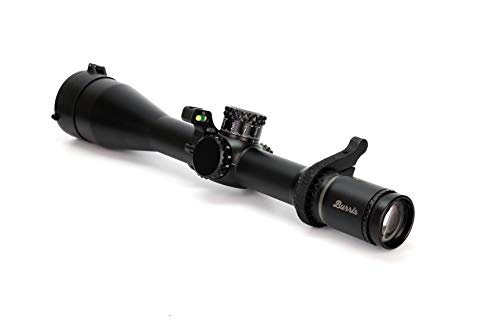
MK Machining Burris XTR III Riflescope – 5.5-30x56mm SCR MIL Reticle – Comes Carbon Fiber Throw Lever & Billet Scope Level (Set of 3)
The Burris XTR III 5.5-30×56 mm SCR Mil is designed, machined and assembled in Greeley Colorado, the new XTR III line of riflescopes featuring new reticle designs and enhanced field-of-view. Inspired by tactical and competition shooting, precision and reliability are at the core of the XTR III line of optics. Available in a 3.3-18x50mm, the models is built with a 34mm body tube for increased strength and extended adjustment range. Elevation adjustments up to 120 MOA on the 3.3-18X50mm will take the 6.5 Creedmoor past one mile. Expanded side parallax adjustment on both models allows fine-tuning focus at shorter distances. Premium glass and optical improvements, including a smaller eyepiece signature and larger eye box, provide best-in-class field-of-view, deeper depth of focus and outstanding light transmission.
Rifle Scope Product Features
INSPIRED BY TACTICAL AND COMPETITION SHOOTING: Reliability is at the core of Burris’ line of optics.
MADE FOR INCREASED STRENGTH & EXTENDED ADJUSTMENT RANGE.
SIDE PARALLAX ADJUSTMENT: Allows fine tuning focus at shorter distances.
PREMIUM GLASS & LARGER EYE BOX: Allow for best in class field of view, deeper depth of focus, and outstanding light transmission.
PROUDLY MADE IN THE COLORADO: All our products are proudly made in the USA with a lifetime warranty.
About the MK Machining Scope Maker
MK Machining is a premium company for weapon scopes, optics, mounts, and other add-ons used for guns like rifles and long guns. They innovate and manufacture their scopes and related products making the most of materials which are long lasting and resilient. This includes the MK Machining Burris XTR III Riflescope – 5.5-30x56mm SCR MIL Reticle – Comes Carbon Fiber Throw Lever & Billet Scope Level (Set of 3) by MK Machining. For more shooting goods, visit their website.
What You Need to Know About Rifle Scopes
Rifle scopes enable you to exactly align a rifle at different targets by aligning your eye with the target over a range. They do this through magnification by employing a series of lenses within the scope. The scope’s alignment can be adjusted for consideration of numerous environmental things like wind and elevation decreases to account for bullet drop.
The scope’s function is to help the shooter understand exactly where the bullet will land based upon the sight picture you are viewing through the scope as you line up the scope’s crosshair or reticle with the target. A lot of modern-day rifle scopes have around 11 parts which are located within and outside of the scope body. These parts consist of the rifle scope’s body, lenses, elevation dials or turrets, focus rings, and other parts. See all eleven parts of a scope.
The Styles of Rifle Scopes
Rifle scopes can be either “first focal plane” or “second focal plane” type of scopes. Opting for the perfect type of rifle glass is based on what type of shooting you plan on doing.
About First Focal Plane Glass
Focal plane scopes (FFP) feature the reticle in front of the magnification lens. These styles of scopes are useful for:
- Quick acquisition, far away kinds of shooting
- Shooting scenarios where computations are very little
- Experienced shooters who know their aim point “hold over” as well as “lead” ratios for their firearms
- Shooters who do not mind the reticle is bigger and requires more visual sight room than a SFP reticle
About Second Focal Plane Optics
Second focal plane glass (SFP) come with the reticle behind the magnification lens. This triggers the reticle to remain at the same dimensions in relation to the amount of zoom being used. The result is that the reticle measurements shift based upon the zoom chosen to shoot over greater ranges since the reticle markings present distinct increments which vary with the magnification level. In the FFP example with the SFP scope, the 5x “zoom” one hundred yard tick measurement would be 1/5th of the non “zoom” tick measurement. These particular sorts of scopes are convenient for:
- Long distance kinds of shooting where shooters have extra time to make ballistic computations
- Shooting where most shots take place within shorter ranges and spaces
- Shooters who would like a clearer optic sight picture without space taken up by the larger sized FFP reticle
About Scope Zoom
The level of scope magnification you need on your scope depends upon the style of shooting you would like to do. Pretty much every style of rifle scope provides some degree of zoom. The level of magnification a scope gives is established by the dimension, thickness, and curves of the lenses inside of the rifle optic. The magnification level of the scope is the “power” of the glass. This implies what the shooter is observing through the scope is magnified times the power element of what can normally be seen by human eyes.
Single Power Lens Glass
A single power rifle scope or optic will have a magnification number designator like 4×32. This indicates the zoom power of the scope is 4x power and the objective lens is 32mm. The zoom of this kind of optic can not fluctuate given that it is set from the factory.
Variable Power Lens Glass
Variable power rifle scopes have adjustable power. These types of scopes will note the magnification degree in a format such as 2-10×32. These numbers suggest the zoom of the scope could be changed in between 2x and 10x power. This also utilizes the power levels in-between 2 and 10. The power manipulation is achieved by operating the power ring component of the scope near the rear of the scope by the eye bell piece.
Power and Range Correlations
Here are some advised scope power settings and the ranges where they may be effectively used. Highly magnified rifle scope glass will not be as beneficial as lower magnification level scopes considering too much magnification can be a negative aspect depending on your shooting distance. The very same idea applies to longer distances where the shooter needs to have enough power to see precisely where to properly aim the rifle at the target.
Lens Finish for Rifle Optics
All present day rifle scope lenses are covered. Lens finishing can be an essential element of a rifle when considering high end rifle optics and scope equipment.
HD Versus ED Rifle Optic Lens Coatings
Some scope brands also use “HD” or high-definition lens coverings which use different methods, aspects, chemicals, and polarizations to draw out separate colors and viewable definition through the lens. Some scope producers use “HD” to refer to “ED” meaning extra-low dispersion glass.
Single Coating Versus Multi-Coating for Rifle Glass
Various optic lenses can likewise have various coverings used to them. All lenses normally have at least some type of treatment or finish used to them before they are used in a rifle scope or optic.
This lens treatment can safeguard the lens from scratches while minimizing glare and other less useful things experienced in the shooting environment while sighting in with the scope. The quality of a single covered lens depends on the scope maker and how much you paid for it.
Some scope producers similarly make it a point to specify if their optic lenses are layered or “multi” coated. Being “much better” depends on the maker’s lens treatment technology and the quality of products used in building the rifle scope.
Rifle Scope Lens Hydrophobic Finishing
Water on a lens does not help with keeping a clear sight picture through a scope at all. Numerous top of the line and high-end optic companies will coat their lenses with a hydrophobic or hydrophilic anti-water coating.
Optic Mounting Options
Mounting options for scopes are available in a couple of options. There are the standard scope rings which are individually mounted to the optic and one-piece mounts which cradle the scope. These different types of mounts also normally can be found in quick release variations which use throw levers which enable rifle shooters to rapidly mount and remove the optics.
Hex Key Glass Rings
Standard, clamp-on type mounting optic rings use hex head screws to install to the flattop design Picatinny scope mount rails on rifles. These kinds of scope mounts use a pair of detached rings to support the optic, and are normally constructed from 7075 T6 billet aluminum or similar materials which are manufactured for long distance accuracy shooting. This kind of scope mount is ideal for rifles which are in need of a long lasting, unfailing mount which will not shift regardless of how much the scope is moved or jarring the rifle takes. These are the design of mounts you want for a specialized optics system on a long distance scouting or tournament long gun that will seldom need to be altered or recalibrated. Blue 242 Loctite threadlocker can also be used on the scope mount screws to prevent the hex screw threads from backing out after they are mounted safely in place. An example of these rings are the 30mm style made by the Vortex Optics company. The set usually costs around $200 USD
Quick-Release Cantilever Rifle Optic Rings
These types of quick-release rifle scope mounts can be used to quickly attach and take off a scope from a rifle. If they all use a comparable style mount, multiple scopes can also be swapped in the field. The quick detach design is CNC crafted from anodized 6061 T6 aluminum and the mounting levers attach firmly to a flat top style Picatinny rail. This permits the scope to be sighted in while on the rifle, taken off of the rifle, and remounted back on the rifle while keeping the original sighting settings. These kinds of mounts are useful and convenient for rifles which are carried a lot, to take off the glass from the rifle for protection, or for scopes which are employed in between multiple rifles. An example of this mount style is the 30mm mount designed by the Vortex Optics manufacturer. It generally costs around $250 USD
Sealing and Gas Purging for Optic Tubes
Moisture inside your rifle glass can spoil a day on the range and your expensive optic by inducing fogging and creating residue within the scope’s tube. Many optics prevent humidity from going into the optical tube with a system of sealing O-rings which are water resistant. Normally, these water-resistant scopes can be submerged within 20 or 30 feet of water before the water pressure can force moisture past the O-rings. This should be plenty of moisture prevention for standard use rifles, unless you plan on taking your rifle boating and are concerned about the scope still performing if it goes overboard and you can still find the firearm.
Info on Scope Tube Gas Purging
Another element of preventing the accumulation of moisture inside of the rifle scope tube is filling the tube with a gas like nitrogen. Given that this space is already taken up by the gas, the optic is less influenced by temp changes and pressure variations from the outdoor environment which may potentially allow water vapor to seep in around the seals to fill the void which would otherwise exist. These are good qualities of a good rifle scope to seek out.


