
Description
Rifle Scope Product Details
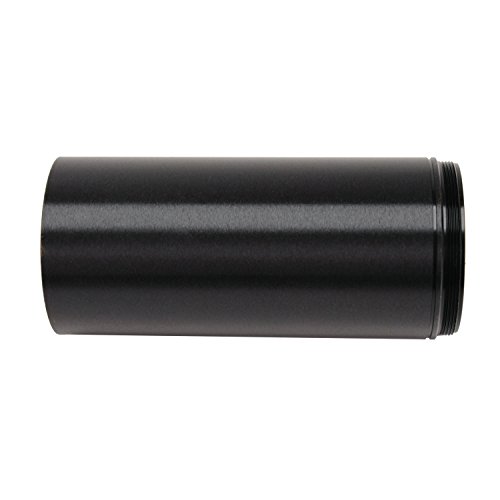
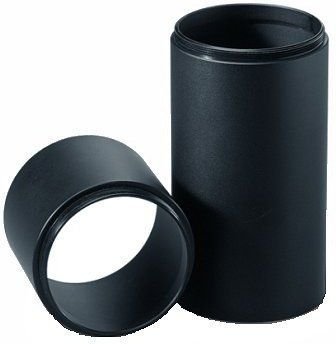
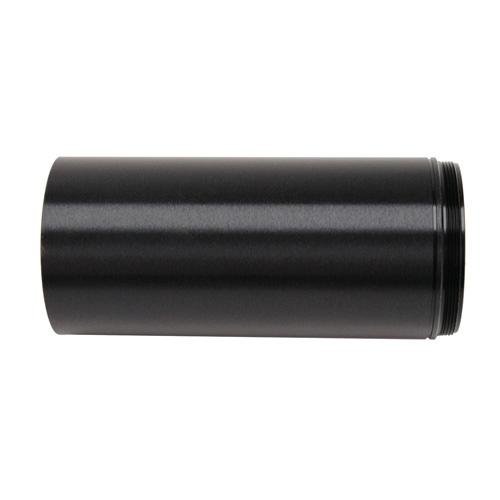
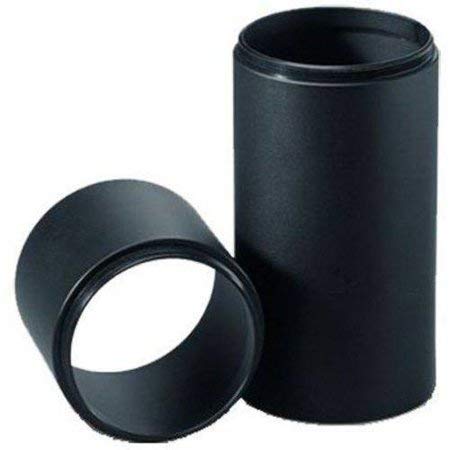
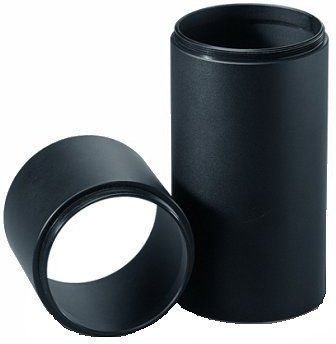
Leupold 2.5″”-40Mm Lens Shade Matte (Post 2003) 56187
Product Description
Alumina Lens Shades can be threaded together to create custom lengths. Specifications: – Fits: 2004 and Newer Scopes Only – Length: 2. 5″ – Diameter 40mm – Material: Aluminum – Finish: Matte Black
Amazon.com
Leupold optics have long set the standard for high performance, and now, with Alumina accessories, the company sets the standard for adaptability, too. This 2.5-inch lens shade, for example, fits all 2004 and newer VX-II, VX-III, and Mark 4 40mm objective scopes. In addition, users can thread together multiple 2.5-inch or four-inch shades to create custom lengths. The matte black shade is also available in other sizes, such as 45mm and 50mm.
About Leupold
From humble immigrant beginnings, Leupold grew–based on a promise of quality–to become a classic American company. In 1907, Fred Leupold set up a one-man shop at 5th and Oak streets in Portland to repair surveying equipment. He was joined by his brother-in-law, Adam Voelpel, and later by inventor John Cyprian Stevens, and the foundations for a century of success were in place.
During Leupolds second half-century, the company focused heavily on the sports optics business. Leupolds presence in the hunting and shooting market expanded with innovative optics and features that are now legendary among hunters, shooters, and outdoors enthusiasts. Many of the industrys standards–nitrogen waterproofing, the Duplex reticle, and more–were Leupold creations.
Rifle Scope Product Features
About this item
Fits: 2004 and Newer Scopes Only
Diameter 40mm
Length: 2. 5″
About the Leupold Brand
Leupold is a premium supplier for firearm scopes, optics, mounting solutions, and other components used for firearms like rifles and long guns. They create and make their products by making the most of materials which are long lasting and resilient. This includes the Leupold 2.5″”-40Mm Lens Shade Matte (Post 2003) 56187 by Leupold. For more shooting goods, visit their site.
About Glass
Rifle scopes permit you to precisely aim a rifle at different targets by lining up your eye with the target over a range. They do this through magnification by making use of a series of lenses inside the scope. The scope’s alignment can be adjusted for the consideration of varied natural factors like wind speed and elevation increases to account for bullet drop.
The scope’s function is to understand exactly where the bullet will land based upon the sight picture you are viewing via the optic as you line up the scope’s crosshair or reticle with the intended point of impact. Many modern-day rifle optics have about 11 parts which are located within and on the exterior of the optic. These optic pieces include the rifle scope’s body, lenses, windage and elevation dials, objective focus rings, and other parts. See all eleven parts of an optic.
Rifle Scope Types
Rifle scopes can be either “first focal plane” or “second focal plane” type of scopes. Going for the best type of rifle scope is based around what type of shooting you plan to do.
About First Focal Plane Glass
Focal plane scopes (FFP) come with the reticle in front of the magnifying lens. This triggers the reticle to increase in size based on the extent of zoom being used. The benefit is that the reticle measurements are the same at the amplified distance as they are at the non magnified distance. As an example, one tick on a mil-dot reticle at 100 yards without any “zoom” is still the very same tick at one hundred yards using 5x “zoom”. These types of scopes work for:
- Quick acquisition, long distance kinds of shooting
- Shooting situations where calculations are minor
- Experienced shooters who understand their aim point “hold over” as well as “lead” relationships for their rifles
- Shooters who don’t mind the reticle is enlarged and uses up more visual sight area than a SFP reticle
Second Focal Plane Glass Details
Second focal plane scopes (SFP) come with the reticle to the rear of the magnification lens. This causes the reticle to stay at the same dimensions in relation to the quantity of zoom being used. The result is that the reticle dimensions evolve based on the zoom employed to shoot over greater distances because the markings represent different increments which differ with the zoom level. In the FFP illustration with the SFP optic, the 5x “zoom” 100 yard tick reticle measurement would be 1/5th of the non “zoom” tick. These varieties of scopes are convenient for:
- Long distance forms of shooting where shooters have extra time to make ballistic calculations
- Shooting where most of the shots take place within much shorter distances and ranges
- Shooters who choose a clearer optic picture with less room used up by the enlarged FFP reticle
Rifle Optic Zoom
The quantity of zoom a scope offers is figured out by the diameter, thickness, and curvatures of the lenses inside of the rifle scope. The zoom of the scope is the “power” of the scope.
Fixed Single Power Lens Rifle Optics
A single power rifle scope comes with a magnification number designator like 4×32. This indicates the zoom power of the scope is 4x power and the objective lens is 32mm. The zoom of this type of scope can not change because it is fixed.
Variable Power Lens Scopes
Variable power rifle scopes use enhanced power. The power adjustment is performed by using the power ring part of the scope near the back of the scope by the eye bell.
Power Levels and Range
Here are some recommended scope power levels and the ranges where they may be effectively used. Bear in mind that high power scopes and optics will not be as effective as lower powered scopes since too much zoom can be a detractor. The exact same idea goes for extended ranges where the shooter needs increased power to see precisely where to properly aim the rifle at the target.
Glass Lens Covering
All contemporary rifle optic lenses are coated. There are different types and qualities of coatings. Lens finishing is an essential aspect of a rifle’s setup when thinking about luxury rifle optics and scope equipment. The lenses are among the most essential components of the optic because they are what your eye looks through while sighting a rifle in on the point of impact. The finishing on the lenses safeguards the lens surface area as well as helps with anti glare capabilities from refracted sunrays and color discernibility.
HD Versus ED Rifle Scope Lens Coatings
Some scope brands likewise use “HD” or high-definition lens finishes which use various procedures, polarizations, components, and chemicals to draw out different colors and viewable quality through the lens. Some scope manufacturers use “HD” to refer to “ED” indicating extra-low dispersion glass.
Single Coating Versus Multi-Coating
Different optic lenses can likewise have various coverings applied to them. All lenses normally have at least some type of treatment or finish applied to them prior to being used in a rifle scope or optic.
This lens treatment can offer protection to the lens from scratches while lowering glare and other less useful things experienced in the shooting environment while sighting in with the scope. The quality of a single covered lens depends on the scope producer and how much you paid for it.
Some scope manufacturers also make it a point to specify if their optic lenses are coated or “multi” coated. Being “much better” depends on the producer’s lens treatment innovation and the quality of materials used in building the rifle scope.
Hydrophobic Lens Coatings
Water on a lens does not assist with keeping a clear sight picture through a scope at all. Numerous top of the line and military grade scope makers will coat their lenses with a hydrophobic or hydrophilic covering.
Choices for Mounting Optics on Long Guns
Mounting solutions for scopes are available in a couple of choices. There are the standard scope rings which are separately installed to the optic and one-piece scope mounts which cradle the scope. These different kinds of mounts also usually are made in quick release variations which use manual levers which permit rifle shooters to quickly mount and dismount the scopes.
Hex Key Rifle Scope Ring Mounts
Standard, clamp type mounting optic rings use hex head screws to fix to the flattop design Picatinny scope mount rails on rifles. These styles of scope mounts use two separate rings to support the optic, and are usually constructed from 7075 T6 billet aluminum or similar materials which are developed for long distance precision shooting. This kind of scope mount is very good for rifle systems which need to have a durable, rock solid mount which will not move no matter just how much the scope is moved or abuse the rifle takes. These are the design of mounts you should have for a dedicated optics system on a reach out and touch someone hunting or hard target interdiction rifle that will pretty much never need to be modified or adjusted. Blue 242 Loctite threadlocker can also be used on screws to stop the hex screw threads from backing out after they are installed safely in position. An example of these rings are the 30mm style made by the Vortex Optics company. The set usually costs around $200 USD
Quick-Release Cantilever Rifle Scope Rings
These types of quick-release rifle scope mounts can be used to quickly connect and detach a scope from a rifle before reattaching it to a different rifle. Several scopes can also be switched out if they all use a compatible design mount. These types of mounts are convenient for rifle platforms which are carried a lot, to remove the optic from the rifle for protection, or for scopes which are used in between numerous rifles or are situationally focused.
Rifle Scope Tube Sealing and Gas Purging
Moisture inside your rifle glass can wreck a day of shooting and your costly optic by inducing fogging and making residue within the scope tube. Many optics prevent wetness from getting in the scope tube with a series of sealing O-rings which are waterproof. Generally, these water resistant scopes can be submerged underneath 20 or 30 feet of water before the water pressure can force moisture past the O-rings. This should be sufficient wetness avoidance for common use rifles, unless you intend on taking your rifle on your motorboat and are concerned about the optic still performing if it is submerged in water and you can still salvage the rifle.
Rifle Optic Gas Purging
Another element of preventing the accumulation of moisture within the rifle scope tube is filling the tube with a gas like nitrogen. Because this area is currently occupied by the gas, the glass is less influenced by temperature changes and pressure distinctions from the external environment which could possibly permit water vapor to leak in around the seals to fill the vacuum which would otherwise exist. These are good qualities of a good rifle scope to seek out.


