

Description
Rifle Scope Product Details
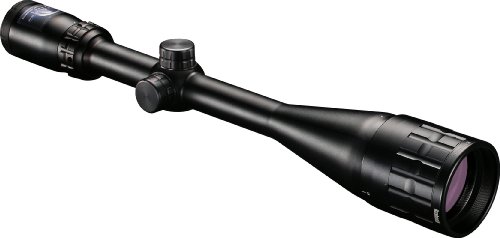
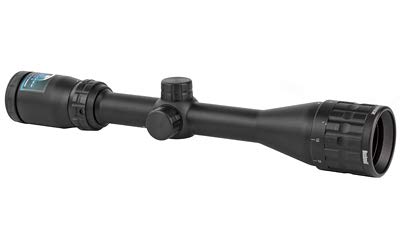
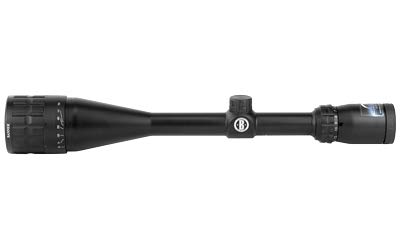
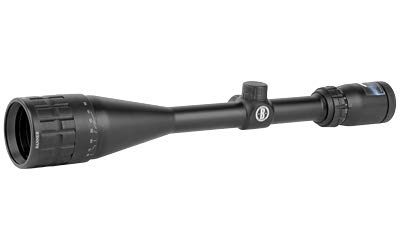
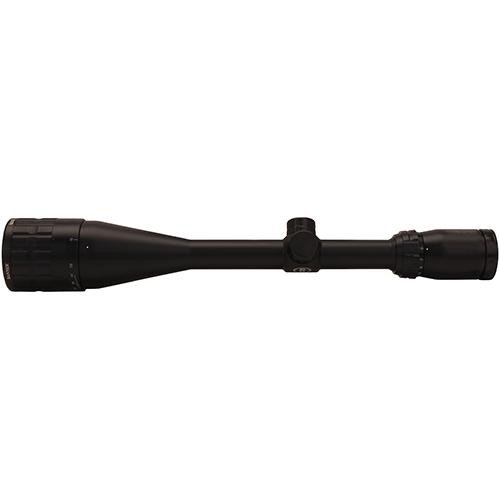
Bushnell Banner Dusk & Dawn Multi-X Reticle Adjustable Objective Riflescope, 6-18X 50mm, Black (616185)
Ask any trophy hunter. They’ll tell you more tags are filled in the low-light hours than any other time. Enter the Bushnell Banner 6-18x 50 Multi-X riflescope, a scope designed to excel in early-morning and late-evening light. Featuring Dusk & Dawn Brightness (DDB) multi-coated lenses for clarity and brightness in low light, you’ll add precious minutes to every hunting day with the Banner Dusk & Dawn series. With one-piece tube design, the Banner Dusk & Dawn line includes a full assortment of specialty scopes for big-game, varmint, .22 rimfire, slug, black powder and turkey hunting.
Rifle Scope Product Features
About this item
Beautiful design and durability built to last
Low-light riflescope with 6-18x magnification and 50mm objective lens
Dusk & Dawn Brightness (DDB) multicoated lenses for clarity and brightness
Multi-X reticle; 1/4 MOA fingertip windage and elevation adjustments
100-percent waterproof/fogproof construction; 3.5 inches of eye relief
Fast-focus eyepiece; measures 16 inches long
Bushnell Banner Dusk & Dawn Multi-X Reticle Adjustable Objective Riflescope
Product Description
The 18x magnification and large 50mm objective make it ideal for long-range varmint, silhouette and target shooting. Features the Multi-X reticle, which offers a classic sight picture.
Waterproof Construction – O-ring sealed optics stay dry inside, even when totally immersed in water.
Fully Multi Coated – Multiple layers of anti-reflective coating on all air-to-glass surfaces deliver bright, high-contrast images
Argon Purged Fog-Proofing – Argon-filled optics remain stable regardless of ambient temperature for the ultimate fog-proof protection.
About the Bushnell Manufacturer
Bushnell is a premium company for firearm scopes, optics, mounting solutions, and other components used for firearms like rifles and long guns. They design and manufacture their scopes, mounts, and related products using building materials which are long lasting and durable. This includes the Bushnell Banner Dusk & Dawn Multi-X Reticle Adjustable Objective Riflescope, 6-18X 50mm, Black (616185) by Bushnell. For additional shooting products, visit their site.
Optic Information
Rifle scopes permit you to specifically aim a rifle at various targets by lining up your eye with the target at range. They accomplish this through zoom by utilizing a set of lenses within the scope. The scope’s positioning can be adapted to take into account different natural considerations like wind and elevation to account for bullet drop.
The scope’s purpose is to help the shooter understand precisely where the bullet will land based on the sight picture you are seeing using the optic as you line up the scope’s crosshair or reticle with the intended target. Many contemporary rifle scopes and optics have about 11 parts which are arranged within and on the exterior of the optic. These optic pieces consist of the rifle scope’s body, lenses, modification turrets or dials, objective focus rings, and other parts. See all eleven parts of an optic.
Rifle Optic Types
Rifle scopes can be either “first focal plane” or “second focal plane” kind of scopes. The style of focal plane a scope has determines where the reticle or crosshair lies in connection with the optic’s magnification. It literally indicates the reticle is situated behind or before the magnifying lens of the scope. Looking for the most reliable sort of rifle optic depends upon what variety of shooting you intend on undertaking.
First Focal Plane Glass
Focal plane scopes (FFP) feature the reticle in front of the magnification lens. These kinds of scopes are helpful for:
- Quick acquisition, far away types of shooting
- Shooting scenarios where computations are minimal
- Experienced shooters who recognize their target “hold over” plus “lead” relationships for their rifles
- Shooters who don’t mind the reticle is bigger and requires more visual sight room than a SFP reticle
About Second Focal Plane Scopes
Second focal plane scopes (SFP) include the reticle behind the magnifying lens. This induces the reticle to remain at the very same dimensions in relation to the quantity of magnification being used. The outcome is that the reticle measurements alter based on the zoom employed to shoot over lengthier ranges since the reticle markings present distinct increments which differ with the magnification level. In the FFP example with the SFP scope, the 5x “zoom” 100 yard tick reticle measurement would be 1/5th of the non “zoom” tick measurement. These styles of scopes work for:
- Long distance forms of shooting where shooters have increased time to make ballistic computations
- Shooting where most of the shots occur within shorter ranges and proximities
- Shooters who choose a clearer optic sight picture with less room taken up by the larger sized FFP reticle
Optic Zoom
The quantity of scope zoom you need on your scope depends on the kind of shooting you intend to do. Pretty much every style of rifle optic offers some amount of zoom. The volume of magnification a scope delivers is established by the size, thickness, and curves of the lenses within the rifle optic. The magnification level of the optic is the “power” of the glass. This means what the shooter is checking out through the scope is magnified times the power aspect of what can usually be seen by human eyes.
Fixed Power Lens Rifle Optic Info
A single power rifle optic comes with a magnification number designator like 4×32. This indicates the magnification power of the scope is 4x power while the objective lens is 32mm. The zoom of this type of optic can not change given that it is set from the factory.
Info About Variable Power Lens Rifle Glass
Variable power rifle scopes use variable power levels. The power adjustment is accomplished by the power ring part of the scope near the back of the scope by the eye bell.
Rifle Optic Power and Ranges
Here are some advised scope power levels and the ranges where they could be effectively used. Highly magnified optics will not be as efficient as lower magnification level rifle scope glass due to the fact that too much magnification can be a negative aspect depending on your shooting distance. The exact same concept goes for extended distances where the shooter needs adequate power to see precisely where to best aim the rifle.
Details on Lens Covering
All present day rifle scope and optic lenses are covered. Lens finishing can be a vital aspect of a shooting platform when purchasing high end rifle optics and scope equipment.
HD Versus ED Lens Coatings
Some scope producers likewise use “HD” or high-definition lens finishes which use various techniques, polarizations, chemicals, and components to draw out separate colors and viewable quality through the lens. Some scope manufacturers use “HD” to refer to “ED” indicating extra-low dispersion glass.
Single Finish Versus Multi-Coating for Rifle Glass
Various scope lenses can also have different finishes applied to them. All lenses normally have at least some type of treatment or finishing applied to them before being used in a rifle scope or optic. Because the lens isn’t just a raw piece of glass, they require performance enhancing coatings. It becomes part of the finely tuned optic. It requires a coating to be applied to it so that the lens will be optimally usable in numerous kinds of environments, degrees of sunshine (full light VS shaded), and other shooting conditions.
Single coated lenses have a treatment applied to them which is usually a protective and boosting multi-purpose treatment. This lens treatment can protect the lens from scratches while lowering glare and other less beneficial things experienced in the shooting environment while sighting in with the scope. The quality of a single covered lens depends on the scope maker and how much you paid for it. Both are signs of the lens quality.
Some scope manufacturers also make it a point to specify if their optic lenses are coated or “multi” covered. Being “much better” depends on the producer’s lens treatment innovation and the quality of materials used in building the rifle scope.
Hydrophobic Covering for Scopes
Water on a lens doesn’t assist with maintaining a clear sight picture through a scope at all. Lots of top of the line and military grade scope companies will coat their lenses with a hydrophilic or hydrophobic finish.
Scope Installation Options
Mounting options for scopes are available in a few choices. There are the standard scope rings which are individually mounted to the optic and one-piece scope mounts which cradle the scope. These different types of mounts also typically can be found in quick release versions which use toss levers which enable rifle shooters to quickly mount and remove the glass.
Hex Key Optic Rings
Standard, clamp style mounting scope rings use hex head screws to mount to the flattop style Picatinny scope installation rails on rifles. These types of scope mounts use a couple of different rings to support the optic, and are often made from 7075 T6 billet aluminum which are created for long distance precision shooting. This type of scope mount is fine for rifles which need a long lasting, rock solid mount which will not move no matter how much the scope is moved or abused.
Quick-Release Cantilever Scope Rings
These types of quick-release rifle scope mounts can be used to quickly attach and take off a scope from a rifle before reattaching it to a different rifle. Numerous scopes can even be switched out if they all use a similar design mount. These types of mounts come in handy for rifles which are transported a lot, to remove the optic from the rifle for protection, or for scopes which are used in between multiple rifles.
Rifle Scope Tube Sealing and Gas Purging
Moisture inside your rifle scope can wreck a day on the range and your highly-priced optic by causing fogging and generating residue within the scope tube. Many scopes protect against moisture from going into the scope tube with a system of sealing O-rings which are waterproof. Usually, these water-resistant scopes can be immersed underneath 20 or 30 feet of water before the water pressure can force moisture past the O-rings. This should be sufficient humidity prevention for common use rifles for hunting and sporting purposes, unless you anticipate taking your rifle boating and are concerned about the optic still functioning if it goes overboard and you can still salvage the firearm.
Glass Gas Purging
Another component of preventing the accumulation of wetness within the rifle optic’s tube is filling the tube with a gas like nitrogen. Considering that this area is currently occupied by the gas, the scope is less affected by climate changes and pressure distinctions from the external environment which could potentially enable water vapor to leak in around the seals to fill the vacuum which would otherwise exist. These are good qualities of a decent rifle scope to look for.


