Description
Rifle Scope Product Details
Bear Claw Gunworks, LLC Mosin Nagant Scope Mount (New) SM-1 More to Come
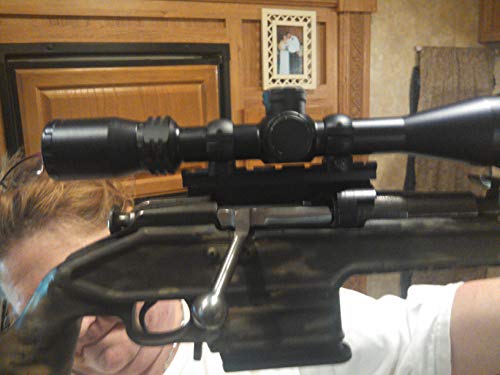
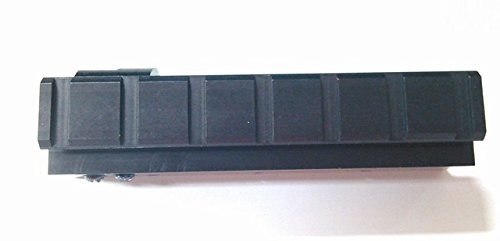
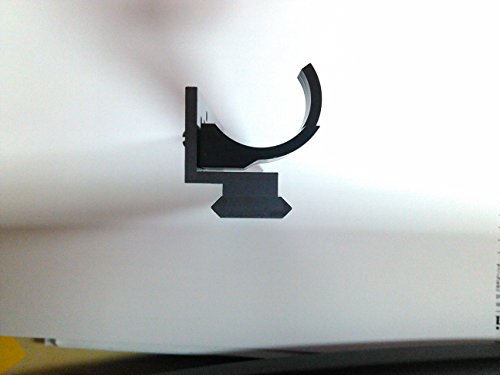
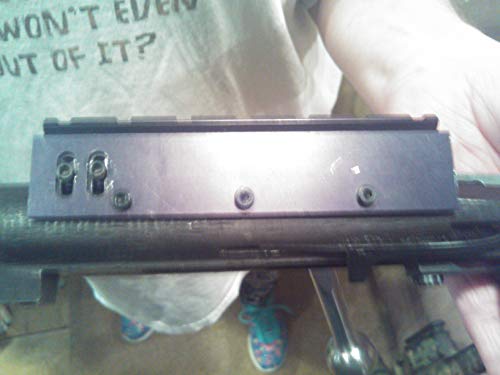
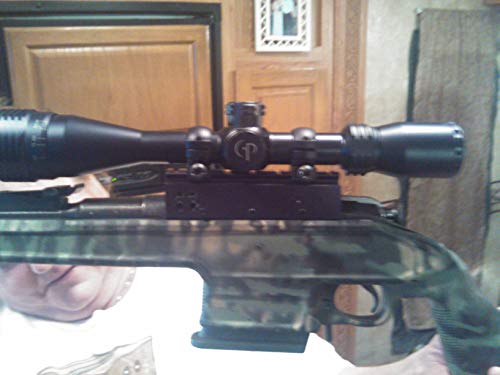
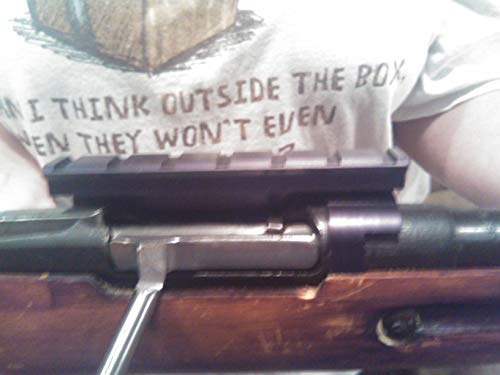
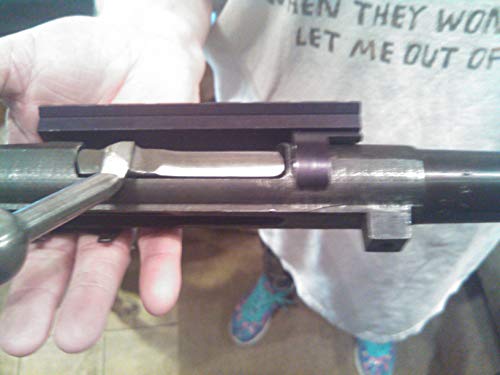
Hi My name is Roger Purcella I own Bear Claw Gunworks,LLC in Hertford nc and I have invented a scope mount for the Mosin Nagant rifle and 21 others. A small list of rifles are the sks, ak-47 including the Kalashnikov family, the m1a1, the British 303, l1a1 fn fal. anything that needs to be side mounted this will work with minor modifications. I have a machine shop in Albuquerque nm that can produce as many as possible. Patent Pending. retail is 89.95 can make it any color This scope mount Supports the rear of the scope to eliminate movement for improved accuracy, unlike other mounts on the market. Places scope closer for better eye relief and Design that allows the shooter to get a lower, more proper check weld. their are five mounting points two with the stabilizer and three on the receiver. the three on the receiver have to be drilled and tapped. I made this out of aircraft grade aluminum construction. I will keep this made in the USA too. Thank You In Advance Roger Purcella Owner Bear Claw Gunworks,LLC 252-619-2845
Rifle Scope Product Features
Stabilizer supports the rear of the scope to eliminate movement for improved accuracy, unlike other mounts on the market. Places scope closer for better eye relief
About the Bear Claw Gunworks, LLC Scope Maker
Bear Claw Gunworks, LLC is a premium maker for rifle scopes, optics, mounting solutions, and other accessories used for guns like rifles and long guns. They design and supply their scopes and related products by applying materials which are long lasting and resilient. This includes the Bear Claw Gunworks, LLC Mosin Nagant Scope Mount (New) SM-1 More to Come by Bear Claw Gunworks, LLC. For more shooting items, visit their website.
Information About Rifle Glass
Rifle scopes allow you to precisely align a rifle at different targets by lining up your eye with the target over a distance. They do this through magnification by making use of a series of lenses within the scope. The scope’s positioning can be adjusted to take into account separate ecological aspects like wind speed and elevation decreases to account for bullet drop.
The scope’s function is to understand exactly where the bullet will hit based on the sight picture you are viewing via the scope as you align the scope’s crosshair or reticle with the target. Many modern rifle scopes have about 11 parts which are found internally and externally on the scope body. These parts consist of the rifle scope’s body, lenses, elevation dials, focus rings, and other parts. Learn about the eleven parts of rifle optics.
Rifle Scope Varieties
Rifle scopes can be either “first focal plane” or “second focal plane” style of scopes. The style of focal plane a scope has identifies where the reticle or crosshair lies in connection with the optic’s magnifying adjustments. It actually suggests the reticle is situated behind or in front of the magnification lens of the scope. Deciding on the most desired sort of rifle optic depends on what style of shooting you intend on undertaking.
First Focal Plane Optics
Focal plane scopes (FFP) include the reticle in front of the magnification lens. These styles of scopes are beneficial for:
- Quick acquisition, long distance kinds of shooting
- Shooting scenarios where computations are minor
- Experienced shooters who understand their target “hold over” as well as “lead” relationships for their rifles
- Shooters who do not mind the reticle is bigger and uses up more visual eyesight room than a SFP reticle
About Second Focal Plane Optics
Second focal plane optics (SFP) include the reticle to the rear of the magnification lens. This causes the reticle to stay at the same size relative to the amount of magnification being used. The end result is that the reticle measurements adapt based upon the magnification employed to shoot over greater ranges due to the fact that the reticle markings represent distinct increments which vary with the magnification level. In the FFP example with the SFP optic, the 5x “zoom” one hundred yard tick reticle measurement would be 1/5th of the non “zoom” tick reticle measurement. These types of scopes work for:
- Long distance kinds of shooting where shooters have additional time to make ballistic estimations
- Shooting where most of the shots take place within shorter ranges and proximities
- Shooters who like a clearer optic sight picture with less space taken up by the enlarged FFP reticle
Zoom for Optics
The quantity of magnification a scope supplies is determined by the size, thickness, and curvatures of the lenses inside of the rifle scope. The magnification of the scope is the “power” of the scope.
Single Power Lens Scope Facts
A single power rifle scope and optic uses a magnification number designator like 4×32. This means the zoom power of the scope is 4x power while the objective lens is 32mm. The magnification of this kind of scope can not adjust considering that it is set from the factory.
Adjustable Power Lens Rifle Scopes
Variable power rifle scopes use enhanced power. The power change is handled by the power ring part of the scope near the back of the scope by the eye bell.
The Power and Range of Rifle Optics
Here are some recommended scope powers and the distances where they can be efficiently used. High power scopes will not be as efficient as lower powered glass due to the fact that too much magnification can be a bad thing. The very same idea applies to extended ranges where the shooter needs to have adequate power to see where to properly aim the rifle.
Lens Finish for Optics
All modern-day rifle optic lenses are coated. There are various types and qualities of lens finishes. When looking at luxury rifle targeting setups, Lens finishing can be a significant aspect of a rifle. The glass lenses are one of the most vital components of the glass given that they are what your eye sees through while sighting a rifle in on the point of impact. The finishing on the lenses safeguards the lens surface and even improves anti glare from excess light and color visibility.
HD Versus ED Lenses
Some scope makers also use “HD” or high-definition lens coverings which use different processes, elements, polarizations, and chemicals to draw out separate colors and viewable quality through the lens. Some scope makers use “HD” to refer to “ED” meaning extra-low dispersion glass.
Single Covering Versus Multi-Coating
Various optic lenses can even have various coverings applied to them. All lenses typically have at least some type of treatment or coating applied to them before they are used in a rifle scope or optic assembly. Because the lens isn’t just a raw piece of glass, they require performance enhancing coatings. It is part of the carefully tuned optic. It needs to have a finish put on it so that the lens will be efficiently usable in many kinds of environments, degrees of light (full VS shaded), and other shooting conditions.
This lens treatment can protect the lens from scratches while reducing glare and other less helpful things experienced in the shooting environment while sighting in with the scope. The quality of a single layered lens depends on the scope producer and how much you paid for it.
Some scope producers also make it a point to specify if their optic lenses are layered or “multi” covered. Being “much better” depends on the producer’s lens treatment innovation and the quality of materials used in developing the rifle scope.
Hydrophobic Coating for Rifle Optics
Water on a lens doesn’t assist with keeping a clear sight picture through a scope at all. Many top of the line and high-end scope makers will coat their lenses with a hydrophobic or hydrophilic covering.
Alternatives for Installing Rifle Scopes on Firearms
Installing options for scopes are available in a couple of options. There are the basic scope rings which are individually installed to the optic and one-piece scope mounts which cradle the scope. These different types of mounts also typically come in quick release versions which use throw levers which permit rifle shooters to quickly install and dismount the scopes.
Hex Key Scope Ring Mounts
Standard, clamp-on style mounting scope rings use hex head screws to install to the flattop style Picatinny scope mount rails on the tops of rifles. These varieties of scope mounts use a pair of detached rings to support the optic, and are made from 7075 T6 billet aluminum which are made for long distance accuracy shooting. This form of scope mount is great for rifle systems which require a durable, rock solid mount which will not shift regardless of just how much the scope is moved about or abuse the rifle takes. These are the type of mounts you should get for a dedicated optics system on a reach out and touch someone scouting or competitors rifle which will hardly ever need to be altered or adjusted. Blue 242 Loctite threadlocker can additionally be used on the mount’s screws to stop the hex screws from backing out after they are installed firmly in position. An example of these mounting rings are the 30mm type made by Vortex Optics. The set typically costs around $200 USD
Quick-Release Cantilever Rifle Scope Rings
These types of quick-release rifle scope mounts can be used to rapidly take off a scope and attach it to a different rifle. Multiple scopes can even be swapped out if they all use a similar style mount. These types of mounts are handy for rifle platforms which are carried a lot, to swap out the optic from the rifle for protecting the scope, or for optics which are used in between numerous rifles.
Sealing and Gas Purging for Glass Tubes
Moisture inside your rifle scope can mess up a day of shooting and your expensive optic by triggering fogging and producing residue inside of the scope tube. Most scopes avoid moisture from entering the scope tube with a system of sealing O-rings which are waterproof.
Gas Purged Optic Tubes
Another element of avoiding the buildup of wetness inside of the rifle optic tube is filling the tube with a gas like nitrogen. Since this area is already taken up by the gas, the scope is less influenced by condition changes and pressure distinctions from the outside environment which may possibly allow water vapor to permeate in around the seals to fill the void which would otherwise exist. These are good qualities of a good rifle scope to seek out.


