Description
Rifle Scope Product Details
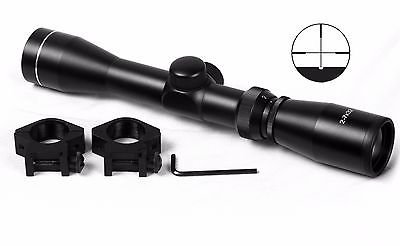
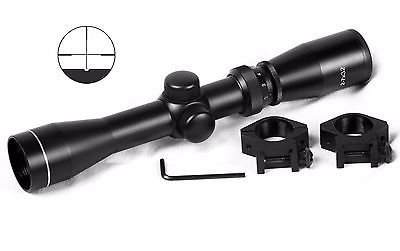
360 TACTICAL 2-7×32 Long Eye Relief Rifle Scope Fog and Water Resistant
Description: This 2-7 power long eye relief scope is just the ticket for your next scout rifle build! As rugged as the guns you shoot, this compact, yet powerful and long reaching scope strikes an ideal balance between too much and too little magnification. Use with confidence on any gun requiring a quality LER scope. Fully coated optics, nitrogen purged tube, and resistant to fog, moisture and the effects of punishing recoil. Includes cleaning cloth and free see through lens covers. 2 to 7 power magnification,32mm objective lens Long eye relief suitable for scout rifles and pistols Water, fog and shock proof Includes low profile Weaver/Picatinny rings, includes flip up lens covers 1″ tube built of durable aircraft grade aluminium, matte black finish Long eye relief for extended mounting capability Multi coated lenses Non-illuminated reticle Includes one inch Aluminum Weaver style rings and lens caps Variable power magnification 2-to-7X magnification One-inch tube diameter 32-millimeter objective diameter 14-to-4.5-foot field of view at 100 yards 16-to-4.6-millimeter exit pupil 11.6-ounce weight 11-inch length Integrated weaver-style moun
Rifle Scope Product Features
Fully coated optics, nitrogen purged tube, and resistant to fog, moisture and the effects of punishing recoil.
Includes cleaning cloth and free see through lens covers.
2 to 7 power magnification,32mm objective lens
Long eye relief suitable for scout rifles and pistols Water, fog and shock proof
Includes low profile Weaver/Picatinny rings, includes flip up lens covers
About the 360 Tactical Manufacturer
360 Tactical is a premium manufacturer for long gun scopes, optics, mounts, and other components used for firearms like rifles and long guns. They design and make their mounts, scopes, and related products choosing building materials which are long lasting and resilient. This includes the 360 TACTICAL 2-7×32 Long Eye Relief Rifle Scope Fog and Water Resistant by 360 Tactical. For more shooting products, visit their website.
About Rifle Glass
Rifle scopes allow you to specifically align a rifle at various targets by lining up your eye with the target at range. They accomplish this through zoom by using a series of lenses inside the scope. The scope’s alignment can be adapted for the consideration of numerous environmental aspects like wind and elevation increases or decreases to make up for bullet drop.
The scope’s purpose is to help shooters understand exactly where the bullet will hit based on the sight picture you are seeing through the optic as you align the scope’s crosshair or reticle with the target. A lot of modern rifle scopes have around 11 parts which are found inside and externally on the scope. These optic pieces consist of the rifle scope’s body, lenses, modification dials or turrets, focus rings, and other components. Learn about the eleven parts of rifle scopes.
Rifle Optic Varieties
Rifle scopes can be either “first focal plane” or “second focal plane” type of scopes. Considering the perfect type of rifle glass depends on what type of shooting you plan to do.
About First Focal Plane Scopes
Focal plane scopes (FFP) include the reticle in front of the zoom lens. These styles of scopes are beneficial for:
- Quick acquisition, long distance kinds of shooting
- Shooting scenarios where computations are very little
- Experienced shooters who know their aim point “hold over” plus “lead” relationships for their firearm
- Shooters who do not mind the reticle is bigger and occupies more visual sight space than a SFP reticle
Info About Second Focal Plane Glass
Second focal plane glass (SFP) include the reticle behind the magnifying lens. This causes the reticle to remain at the very same scale in relation to the quantity of zoom being used. The outcome is that the reticle dimensions adapt based upon the magnification applied to shoot over lengthier distances because the reticle markings present different increments which can vary with the zoom. In the FFP illustration with the SFP scope, the 5x “zoom” one hundred yard tick measurement would be 1/5th of the non “zoom” tick. These kinds of optics are beneficial for:
- Long distance forms of shooting where shooters have extra time to make ballistic computations
- Shooting where most shots occur within shorter ranges and distances
- Shooters who want a clearer optic picture with less room used up by the larger sized FFP reticle
Details on Rifle Scope Zoom
The amount of magnification a scope supplies is identified by the diameter, thickness, and curvatures of the lenses inside of the rifle scope. The zoom of the scope is the “power” of the scope.
Fixed Single Power Lens Scopes
A single power rifle optic and scope will have a zoom number designator like 4×32. This indicates the zoom power of the scope is 4x power and the objective lens is 32mm. The magnification of this type of optic can not change given that it is fixed.
Adjustable Power Lens Optic Facts
Variable power rifle scopes have adjustable power. It will note the zoom amount in a format such as 2-10×32. These numbers suggest the magnification of the scope could be set in between 2x and 10x power. This additionally utilizes the power levels in-between 2 and 10. The power adaptation is accomplished by employing the power ring component of the scope near the rear of the scope by the eye bell.
Rifle Glass Power and Range Correlation
Here are some recommended scope power levels and the distances where they could be efficiently used. Highly magnified glass will not be as efficient as lower magnification level rifle scope glass considering that too much zoom can be a negative aspect depending on your shooting distance. The same idea relates to extended distances where the shooter needs to have enough power to see exactly where to properly aim the rifle at the target.
Lens Coating for Scopes
All modern rifle scope lenses are layered. There are various types and qualities of coatings. Lens coating can be an essential aspect of a rifle when looking into luxury rifle optics and scope units. The glass lenses are among the most significant components of the scope considering they are what your eye looks through while sighting a rifle in on the point of impact. The coating on the lenses protects the lens surface area and also improves anti glare capabilities from excess sunshine and color profiles.
HD Versus ED Optic Lens Coatings
Some glass companies also use “HD” or high-definition lens finishings which take advantage of various processes, rare earth compounds, elements, and polarizations to enhance various colors and viewable definition through lenses. This high-def finish is frequently used with increased density glass which reduces light’s ability to refract by means of the lens glass. Some scope makers use “HD” to refer to “ED” signifying extra-low dispersion glass. ED handles how certain colors are represented on the chromatic spectrum and the chromatic aberration which is also called color distortion or fringing. Chromatic aberration is often obvious over objects with hard outlines as light hits the item from particular angles.
About Single Covering Versus Multi-Coating
Different optic lenses can likewise have different coverings used to them. All lenses normally have at least some type of treatment or covering applied to them prior to being used in a rifle scope or optic.
This lens treatment can offer protection to the lens from scratches while reducing glare and other less helpful things experienced in the shooting environment while sighting in with the scope. The quality of a single layered lens depends on the scope producer and how much you paid for it.
Some scope manufacturers also make it a point to specify if their optic lenses are covered or “multi” covered. This indicates the lens has numerous treatments applied to the surfaces. If a lens receives multiple treatments, it can prove that a maker is taking numerous steps to fight various environmental factors like an anti-glare covering, a scratch resistant anti-abrasion covering, followed by a hydrophilic coating. This also doesn’t always mean the multi-coated lens will perform much better than a single coated lens. Being “much better” is dependent on the maker’s lens treatment technology and the quality of materials used in constructing the rifle scope.
Optic Lens Anti-water Coating
Water on a lens doesn’t help with preserving a clear sight picture through a scope at all. Many top of the line and military grade optic makers will coat their lenses with a hydrophobic or hydrophilic finish.
Choices for Installing Glass on Long Guns
Installing options for scopes are available in a couple of choices. There are the basic scope rings which are separately installed to the scope and one-piece scope mounts which cradle the scope. These various types of mounts also usually are made in quick release versions which use throw levers which permit rifle shooters to quickly mount and remove the glass.
Optic Mounting Solutions with Hex Key Rings
Normal, clamp style mounting scope rings use hex head screws to mount to the flattop style Picatinny scope installation rails on rifles. These types of scope mounts use two different rings to support the optic, and are often made from 7075 T6 billet aluminum which are developed for long range precision shooting. This type of scope install is great for rifles which need a long lasting, rock solid mount which will not move no matter how much the scope is moved or abused.
Quick-Release Cantilever Rifle Optic Rings
These types of quick-release rifle scope mounts can be used to rapidly attach and remove a scope from a rifle before reattaching it to a different rifle. Several scopes can also be swapped out if they all use a compatible style mount. These types of mounts are handy for rifle platforms which are carried a lot, to remove the optic from the rifle for protecting the scope, or for optics which are used between several rifles.
Sealing and Gas Purging for Rifle Optic Tubes
Moisture inside your rifle glass can destroy a day on the range and your pricey optic by triggering fogging and generating residue within the scope’s tube. Many optics prevent wetness from going into the scope tube with a system of sealing O-rings which are waterproof. Typically, these water resistant scopes can be immersed under 20 or 30 feet of water before the water pressure can force moisture past the O-rings. This should be plenty of wetness avoidance for conventional use rifles for hunting and sporting purposes, unless you plan on taking your rifle on your motorboat and are worried about the optic still performing if it is submerged in water and you can still find the gun.
About Rifle Optic Tube Gas Purging
Another component of avoiding the buildup of wetness within the rifle scope’s tube is filling the tube with a gas like nitrogen. Because this space is already taken up by the gas, the scope is less altered by climate shifts and pressure differences from the external environment which might possibly allow water vapor to leak in around the seals to fill the vacuum which would otherwise exist. These are good qualities of a good rifle scope to look for.


