


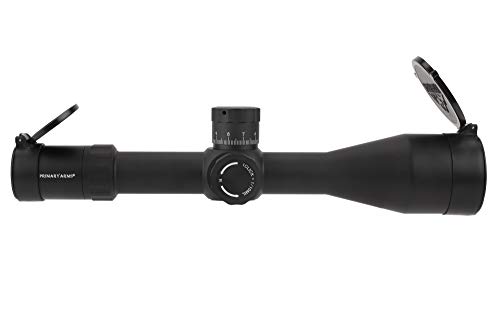


Description
Rifle Scope Product Details
Primary Arms PLx Series 6-30×56 FFP Rifle Scope with Illuminated DEKA MIL Reticle
Primary Arms Platinum Series 6-30X56mm FFP Rifle Scope – Illuminated DEKA MIL Reticle
The PLX5 Platinum Series 6-30x56mm first focal plane rifle scope is our premium-grade precision rifle optic, tuned for medium to extreme long-range use with large calibers. With top-of-the-line Japanese glass, high-quality materials, and precision engineering, the Platinum series is constructed with uncompromising craftsmanship, durability, and optical clarity. Purpose-built for tactical, competition, or hunting use, the PLX5 first focal plane rifle scope is going to be your new go-to optic.
Features
High quality Japanese glass with enhanced clarity
First focal plane reticles stay true at every magnification
Precise, tactile, and audible 0.1 MIL click adjustments
Locking, zero-resettable turrets
DEKA Advanced MIL System reticle is designed for precise range finding at long range
Durable hardcoat anodized black finish
Made in Japan
Protected by our lifetime warranty
Includes matching sun shade and high-quality Butler Creek flip caps
Specifications
Battery Type: CR2032 3V Lithium Coin
Primary Arms
Click Value: 0.1 Mil
Exit Pupil Diameter: Low: 8.20 mm / High: 1.90 mm
Eye Relief: Low: 4.00 in / High: 3.30 in
Field View 100: Low: 16.60 ft / High: 3.30 ft
Focal Plane: First Focal Plane
Illuminated: Illuminated
Magnification: 6-30x
Objective Diameter: 56mm
Reticle: DEKA MIL
Total Elevation Adjustment: 27.6 MIL
Total Windage Adjustment: 13.1 MIL
Tube Diameter: 34mm
Turret Features: Exposed Turrets, Tactical / Target Profile, Finger Adjustable, Zero Reset, Zero Stop
Weight: 38.2 Oz
Rifle Scope Product Features
PLx Series 6-30X56mm FFP Rifle Scope features the DEKA AMS MIL reticle, an updated modernized version of the proven MIL-DOT reticle
6-30x magnification range is perfect for users who regularly reach beyond the 600-yard line
Full red reticle illumination is NV compatible on the lowest settings and daylight bright on the highest
Heavy duty, high strength construction 34mm tube is waterproof, shock resistant and fog resistant
Covered by a lifetime manufacturer warranty for defects due to materials, workmanship or normal wear and tear
About the Primary Arms Scope Maker
Primary Arms is a premium supplier for weapon scopes, optics, mounting solutions, and other add-ons used for firearms like rifles and long guns. They innovate and supply their scopes and related products working with materials which are long lasting and durable. This includes the Primary Arms PLx Series 6-30×56 FFP Rifle Scope with Illuminated DEKA MIL Reticle by Primary Arms. For additional shooting goods, visit their website.
Rifle Optic Information
Rifle scopes allow you to specifically align a rifle at different targets by lining up your eye with the target at range. They do this through zoom by utilizing a series of lenses inside the scope. The scope’s alignment can be adjusted to account for many ecological considerations like wind and elevation increases to make up for bullet drop.
The scope’s function is to help the shooter understand precisely where the bullet will land based on the sight picture you are seeing via the optic as you align the scope’s crosshair or reticle with the intended point of impact. A lot of modern-day rifle scopes have about eleven parts which are located inside and externally on the scope body. These scope parts consist of the rifle scope’s body, lenses, adjustment turrets, objective focus rings, and other elements. Learn about the eleven parts of rifle glass.
Rifle Glass Varieties
Rifle scopes can be either “first focal plane” or “second focal plane” type of scopes. Picking the finest type of rifle optic is based around what type of shooting you plan on doing.
Info About First Focal Plane Glass
Focal plane scopes (FFP) come with the reticle in front of the magnification lens. This causes the reticle to increase in size based on the level of zoom being used. The result is that the reticle measurements are the same at the magnified distance as they are at the non magnified range. For example, one tick on a mil-dot reticle at 100 yards with no “zoom” is still the same tick at 100 yards with 5x “zoom”. These kinds of scopes are beneficial for:
- Quick acquisition, far away kinds of shooting
- Shooting situations where estimations are minor
- Experienced shooters who understand their aim point “hold over” and also “lead” relationships for their long guns
- Shooters who don’t mind the reticle is enlarged and takes up more visual sight space than a SFP reticle
Second Focal Plane Scopes
Second focal plane optics (SFP) come with the reticle behind the magnifying lens. This causes the reticle to remain at the very same dimensions in connection with the quantity of zoom being used. The result is that the reticle measurements evolve based upon the zoom applied to shoot over lengthier distances considering that the reticle measurements represent distinct increments which fluctuate with the zoom level. In the FFP illustration with the SFP optic, the 5x “zoom” one hundred yard tick would be 1/5th of the non “zoom” tick measurement. These particular types of optics work for:
- Far away kinds of shooting where shooters have extra time to make ballistic computations
- Shooting where most shots occur within much shorter ranges and spaces
- Shooters who want a clearer optic picture without space taken up by the larger sized FFP reticle
Zoom for Rifle Scopes
The quantity of zoom a scope supplies is figured out by the diameter, thickness, and curvatures of the lenses inside of the rifle scope. The magnification of the scope is the “power” of the scope.
Fixed Single Power Lens Glass
A single power rifle scope and optic uses a zoom number designator like 4×32. This indicates the magnification power of the scope is 4x power and the objective lens is 32mm. The zoom of this type of optic can not fluctuate given that it is a fixed power scope.
About Adjustable Power Lens Scopes
Variable power rifle scopes can be modified between magnified settings. The power change is handled using the power ring part of the scope near the rear of the scope by the eye bell.
Glass Power and Ranges
Here are some recommended scope power settings and the distances where they could be successfully used. Highly magnified rifle scope glass will not be as useful as lower powered optics since too much zoom can be a negative aspect depending on your shooting distance. The very same idea goes for extended ranges where the shooter needs to have sufficient power to see precisely where to best aim the rifle.
About Lens Finishes
All present day rifle glass lenses are layered. Lens finishing is a vital aspect of a rifle’s setup when looking at high end rifle optics and scope systems.
HD Versus ED Lens Coatings
Some rifle scope makers additionally use “HD” or high-definition lens finishes that take advantage of different processes, chemicals, components, and polarizations to draw out numerous colors and viewable target definition through the lens. This high-def finish is often used with higher density lens glass which reduces light’s capability to refract by means of the lens glass. Some scope suppliers use “HD” to refer to “ED” indicating extra-low dispersion glass. ED deals with how colors are presented on the chroma spectrum and the chromatic difference or aberration which is similarly called color distortion or fringing. Chromatic aberration can be noticeable over things with well defined outlines as light hits the item from specific angles.
Rifle Optic Lens Single Finishing Versus Multi-Coating
Various optic lenses can even have various finishings applied to them. All lenses generally have at least some kind of treatment or coating applied to them before being used in a rifle scope or optic. This is because the lens isn’t just a raw piece of glass. It becomes part of the finely tuned optic. It requires a coating to be applied to it so that the lens will be optimally usable in many kinds of environments, degrees of sunshine (full VS shaded), and other shooting conditions.
Single covered lenses have a treatment applied to them which is normally a protective and enhancing multi-purpose treatment. This lens treatment can preserve the lens from scratches while minimizing glare and other less helpful things experienced in the shooting environment while sighting in with the scope. The quality of a single layered lens depends upon the scope manufacturer and how much money you spent paying for it. Both the manufacturer and amount are indicators of the lens quality.
Some scope manufacturers similarly make it a point to specify if their optic lenses are layered or “multi” coated. Being “better” depends on the maker’s lens treatment technology and the quality of products used in building the rifle scope.
Hydrophobic Covering for Optics
Water on a lens does not assist with maintaining a clear sight picture through a scope at all. Numerous top of the line and high-end optic makers will coat their lenses with a hydrophilic or hydrophobic finish.
Scope Installation Choices
Mounting options for scopes are available in a couple of choices. There are the standard scope rings which are separately installed to the optic and one-piece mounts which cradle the scope. These different kinds of mounts also generally can be found in quick release variations which use toss levers which enable rifle shooters to quickly install and dismount the scope.
Hex Key Scope Rings
Normal, clamp design mounting scope rings use hex head screws to mount to the flattop design Picatinny scope installation rails on rifles. These types of scope mounts use a couple of different rings to support the optic, and are often made from 7075 T6 billet aluminum which is developed for long distance precision shooting. This type of scope install is excellent for rifles which require a durable, rock solid mounting solution which will not move no matter how much the scope is moved or abuse the rifle takes.
Quick-Release Cantilever Glass Ring Mounting Solutions
These types of quick-release rifle scope mounts can be used to quickly connect and remove a scope from a rifle before reattaching it to a different rifle. Multiple scopes can also be swapped out if they all use a compatible style mount. These types of mounts are handy for long guns which are transported a lot, to remove the optic from the rifle for protecting the scope, or for scopes which are used in between numerous rifles.
Rifle Glass Tube Sealing and Gas Purging
Wetness inside your rifle glass can destroy a day on the range and your costly optic by resulting in fogging and creating residue inside of the scope tube. Most scopes protect against humidity from getting in the scope tube with a system of sealing O-rings which are water resistant. Normally, these water resistant scopes can be immersed under 20 or 30 feet of water before the water pressure can push moisture past the O-rings. This should be more than enough moisture content prevention for basic use rifles, unless you plan on taking your rifle on boats and are concerned about the optic still functioning if it is submerged in water and you can still rescue the rifle.
Info Around Scope Tube Gas Purging
Another part of preventing the buildup of wetness inside of the rifle optic’s tube is filling the tube with a gas like nitrogen. Because this space is already taken up by the gas, the optic is less affected by temperature alterations and pressure distinctions from the outside environment which may possibly enable water vapor to seep in around the seals to fill the vacuum which would otherwise exist. These are good qualities of a good rifle scope to look for.


