Description
Rifle Scope Level Product Details
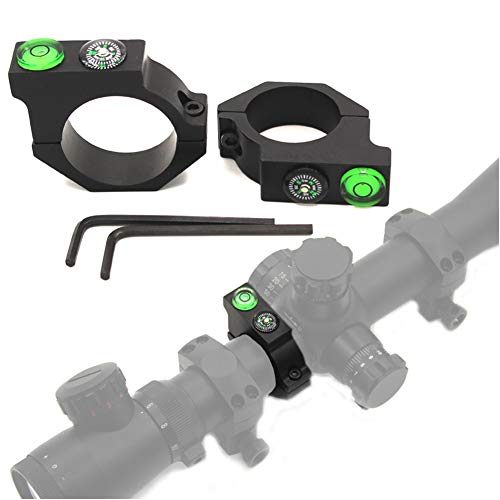
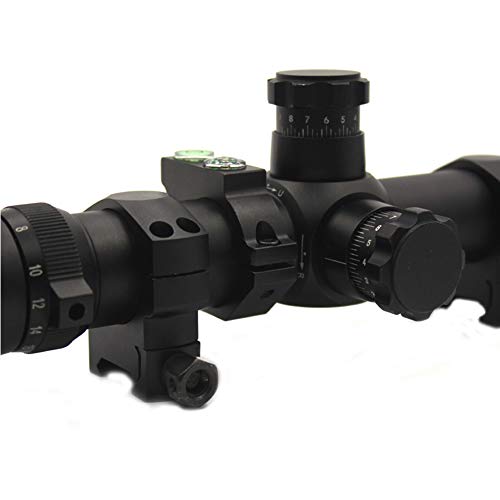
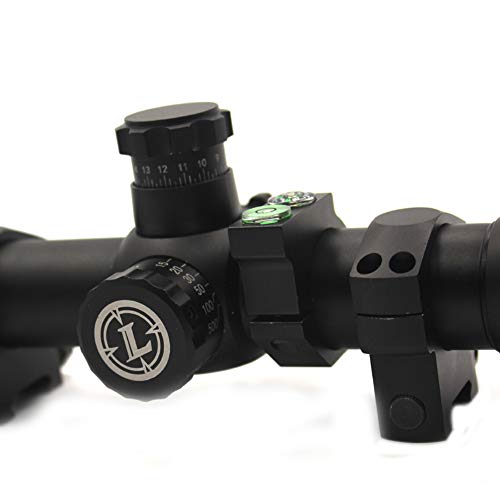
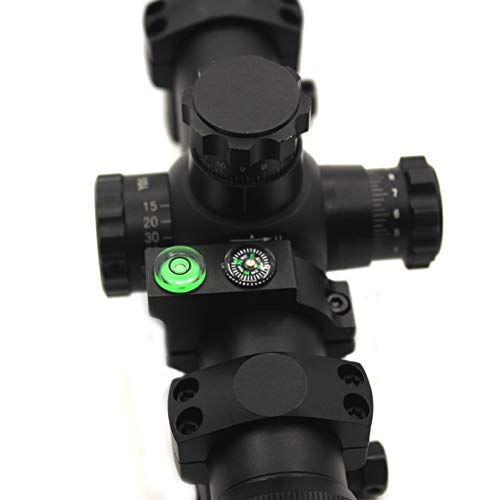
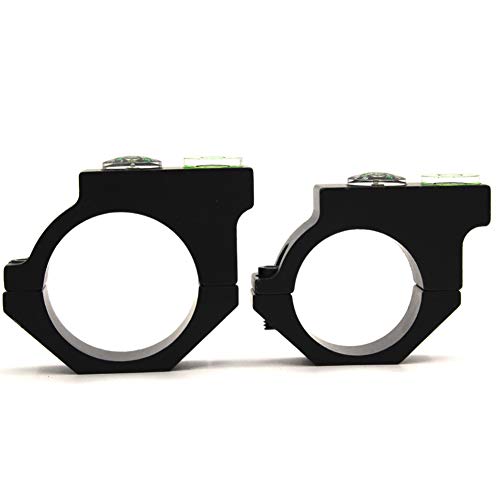
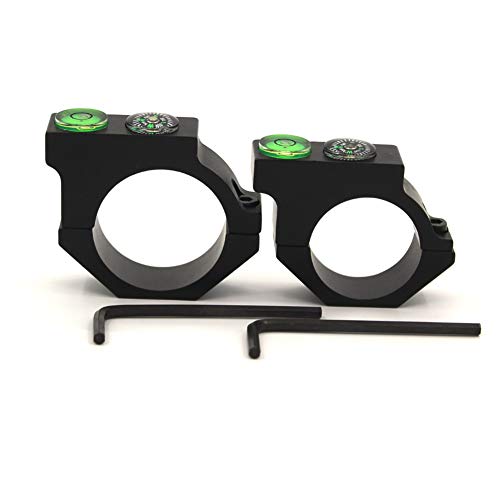
ELAN MILRE Metal Hunting Scope Bubble Level Mounts Ring 25.4mm/30mm Rifle Scope mounts Level Ring with Compass
Features: Riflescope Bubble with Level compass
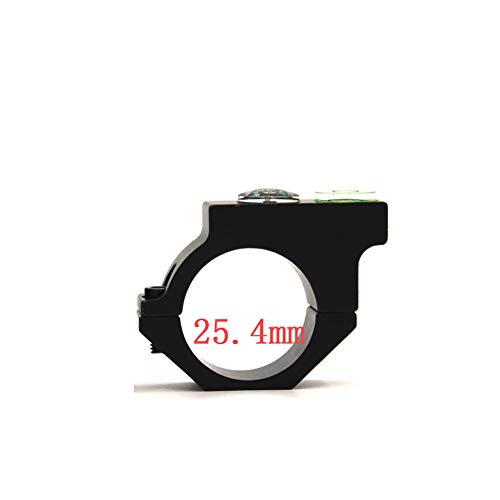
Specifications Width Thickness Height Weight
30mm 4.8cm 1.4cm 4cm 26g
25.4mm 4.7cm 1.4cm 3.5cm 23g
Rifle Scope Level Product Features
100% New
Full Metal Construction Ring
Major Color: Matte black
Material:Aluminum alloy
Fit for Scope with 30mm/25.4mm Diamete
About the ELAN MILRE Company
ELAN MILRE is a premium manufacturer for long gun scopes, optics, mounts, and other add-ons used for guns like rifles and long guns. They create and supply their scopes, mounts, and related products making the most of elements which are long lasting and resilient. This includes the ELAN MILRE Metal Hunting Scope Bubble Level Mounts Ring 25.4mm/30mm Rifle Scope mounts Level Ring with Compass by ELAN MILRE. For more shooting goods, visit their site.
Facts About Optics
Rifle scopes permit you to exactly aim a rifle at different targets by lining up your eye with the target at range. They accomplish this through magnifying the target by employing a series of lenses inside the scope. The scope’s alignment can be dialed in for the consideration of varied natural considerations like wind and elevation increases or decreases to make up for bullet drop.
The scope’s function is to help the shooter understand precisely where the bullet will hit based upon the sight picture you are viewing using the optic as you align the scope’s crosshair or reticle with the intended point of impact. The majority of modern rifle scopes and optics have around eleven parts which are arranged within and on the exterior of the scope. These optic pieces consist of the rifle scope’s body, lenses, adjustment dials, focus rings, and other elements. Learn about the eleven parts of rifle glass.
About Rifle Optic Varieties
Rifle scopes can be either “first focal plane” or “second focal plane” type of scopes. Deciding on the perfect type of rifle glass is based on what type of shooting you plan on doing.
About First Focal Plane Glass
Focal plane scopes (FFP) feature the reticle in front of the magnifying lens. This causes the reticle to increase in size based on the extent of zoom being used. The outcome is that the reticle measurements are the same at the amplified range as they are at the non magnified range. For example, one tick on a mil-dot reticle at 100 yards without any “zoom” is still the corresponding tick at one hundred yards using 5x “zoom”. These kinds of scopes work for:
- Quick acquisition, far away kinds of shooting
- Shooting scenarios where calculations are minimal
- Experienced shooters who have an idea for their target “hold over” and also “lead” equations for their firearm
- Shooters who don’t mind the reticle is enlarged and takes up more visual sight room than a SFP reticle
Info on Second Focal Plane Glass
Second focal plane glass (SFP) come with the reticle to the rear of the magnifying lens. This induces the reticle to remain at the same dimensions in connection with the quantity of zoom being used. The result is that the reticle measurements evolve based on the magnification chosen to shoot over lengthier ranges because the markings represent distinct increments which differ with the zoom level. In the FFP illustration with the SFP optic, the 5x “zoom” 100 yard tick measurement would be 1/5th of the non “zoom” tick reticle measurement. These types of scopes are handy for:
- Long distance kinds of shooting where shooters have extra time to make ballistic calculations
- Shooting where most shots happen within much shorter proximities and ranges
- Shooters who prefer a clearer optic picture without space used up by the larger size FFP reticle
Zoom for Scopes
The quantity of zoom a scope offers is identified by the size, thickness, and curvatures of the lenses inside of the rifle scope. The magnification of the scope is the “power” of the scope.
Fixed Single Power Lens Rifle Optics
A single power rifle scope comes with a zoom number designator like 4×32. This implies the magnification power of the scope is 4x power and the objective lens is 32mm. The zoom of this type of scope can not fluctuate considering that it is set from the factory.
Variable Power Lens Rifle Optic Info
Variable power rifle scopes can be tweaked between magnified levels. The power modification is achieved by making use of the power ring part of the scope near the rear of the scope by the eye bell.
Power and Range
Here are some advised scope powers and the distances where they could be successfully used. High power optics will not be as efficient as lower magnification glass because too much magnification can be a bad thing. The same concept applies to extended ranges where the shooter needs to have enough power to see where to best aim the rifle at the target.
Lens Finishing for Scopes
All modern rifle optic lenses are coated. There are various types and qualities of coatings. When shopping for luxury rifle scope systems, Lens finishing can be a critical component of defining the capability of the rifle. The glass lenses are among the most essential pieces of the optic considering that they are what your eye sees through while sighting a rifle in on the target. The coating on the lenses safeguards the lens surface and even improves anti glare from excess sunshine and color recognition.
HD Versus ED Lenses
Some scope producers likewise use “HD” or high-definition lens coatings which use various processes, polarizations, components, and chemicals to draw out various colors and viewable quality through the lens. Some scope producers use “HD” to refer to “ED” implying extra-low dispersion glass.
Single Rifle Glass Lens Coating Versus Multi-Coating
Various optic lenses can likewise have different coverings applied to them. All lenses usually have at least some type of treatment or covering applied to them before being used in a rifle scope or optic.
This lens treatment can safeguard the lens from scratches while decreasing glare and other less advantageous things experienced in the shooting environment while sighting in with the scope. The quality of a single covered lens depends on the scope manufacturer and how much you paid for it.
Some scope makers similarly make it a point to define if their optic lenses are covered or “multi” covered. Being “better” depends on the manufacturer’s lens treatment technology and the quality of products used in building the rifle scope.
Hydrophobic Finishing for Rifle Scopes
Water on a lens doesn’t help with maintaining a clear sight picture through an optic in any way. Many top of the line or premium optic makers will coat their lenses with a hydrophilic or hydrophobic finishing. The Steiner Optics Nano-Protection is a fine example of this kind of treatment. It provides protection for the exterior surfaces of the Steiner scope lens so the H2O particles can not bind to it or create surface tension. The result is that the water beads sheet off of the scope to preserve a clear, water free sight picture.
Scope Installing Alternatives
Installing approaches for scopes are available in a couple of choices. There are the basic scope rings which are individually mounted to the optic and one-piece scope mounts which cradle the scope. These various types of mounts also normally are made in quick release versions which use throw levers which permit rifle shooters to rapidly install and dismount the glass.
Hex Key Scope Rings
Standard, clamp-on type mounting scope rings use hex head screws to install to the flattop design Picatinny scope mount rails on rifles. These varieties of scope mounts use a pair of separate rings to support the optic, and are normally made from 7075 T6 billet aluminum or similar materials which are created for far away accuracy shooting. This kind of scope mount is ideal for rifles which require a resilient, hard use mount which will not move regardless of how much the scope is moved or abuse the rifle takes. These are the style of mounts you should get for a dedicated optics system on a far away hunting or interdiction firearm which will hardly ever need to be altered or recalibrated. Blue 242 Loctite threadlocker can also be used on the screws to stop the hex screw threads from backing out after they are mounted safely in place. An example of these rings are the 30mm type from Vortex Optics. The set typically costs around $200 USD
Quick-Release Cantilever Rifle Optic Ring Mounting Solutions
These types of quick-release rifle scope mounts can be used to rapidly connect and take off a scope from a rifle before reattaching it to a different rifle. Several scopes can also be switched out if they all use a compatible design mount. These types of mounts are handy for long guns which are transported a lot, to swap out the optic from the rifle for protection, or for optics which are used between multiple rifles.
Rifle Scope Tube Sealing and Gas Purging
Moisture inside your rifle optic can mess up a day of shooting and your expensive optic by bringing about fogging and producing residue inside of the scope tube. Many scopes prevent moisture from getting in the scope tube with a system of sealing O-rings which are water resistant.
Rifle Glass Gas Purging
Another component of preventing the buildup of moisture inside of the rifle scope’s tube is filling the tube with a gas like nitrogen. Given that this space is currently taken up by the gas, the glass is less affected by temperature level shifts and pressure distinctions from the outdoor environment which may possibly permit water vapor to seep in around the seals to fill the void which would otherwise be there. These are good qualities of a decent rifle scope to seek out.


