Description
Rifle Scope Product Details
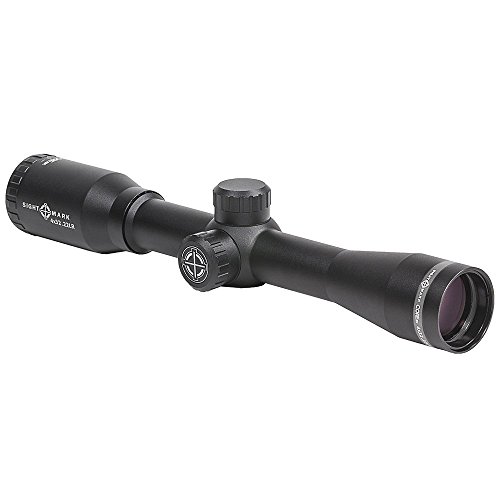
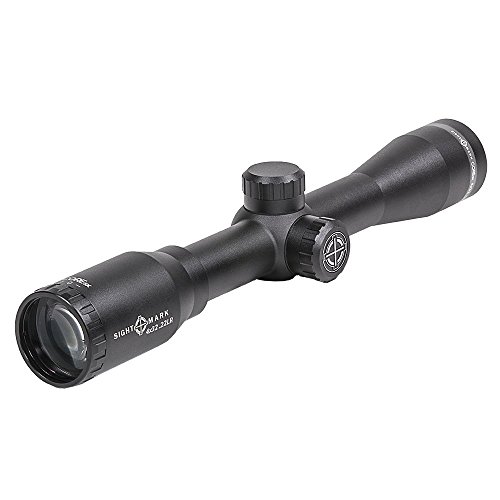
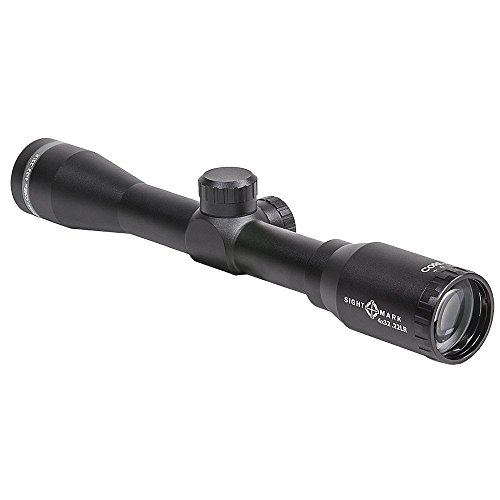
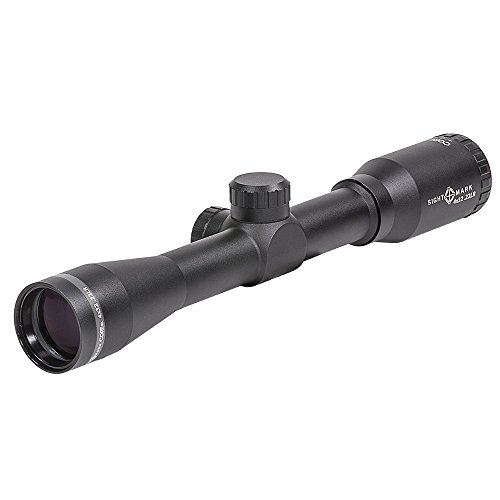
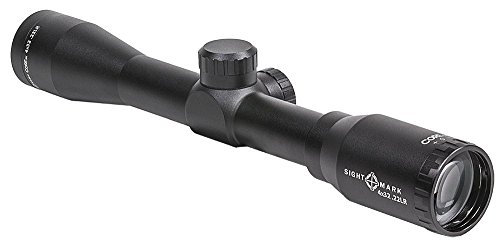
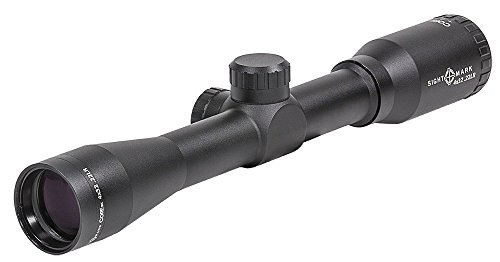
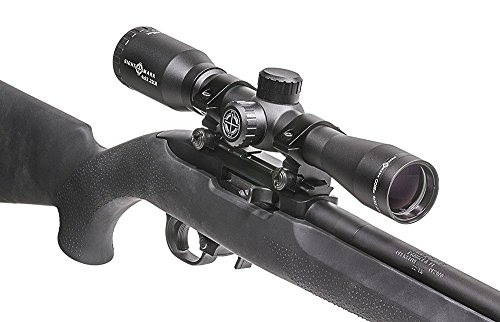
Sightmark Core SX 4×32 .22LR Rimfire Riflescope (Renewed)
Ideal for small game hunters and target shooters, the Sightmark® Core SX 4×32 .22 LR Rimfire riflescope promises increased accuracy in a variety of conditions. It features multi-coated lenses and a hard anodized finish that is shockproof, fogproof and waterproof.
Rifle Scope Product Features
This Certified Refurbished product is tested and certified to look and work like new. The refurbishing process includes functionality testing, basic cleaning, inspection, and repackaging. The product ships with all relevant accessories, a minimum 90-day warranty, and may arrive in a generic box. Only select sellers who maintain a high performance bar may offer Certified Refurbished products on Amazon.com
.22LR 40grain BDC reticle
Reticle holdover points out to 200 yards
Single-piece, 1″ tube
Aircraft grade aluminum
About the Amazon Renewed Company
Amazon Renewed is a premium producer for weapon scopes, optics, mounts, and other components used for guns like rifles and long guns. They style and supply their mounts, scopes, and related products using elements which are long lasting and durable. This includes the Sightmark Core SX 4×32 .22LR Rimfire Riflescope (Renewed) by Amazon Renewed. For additional shooting goods, visit their website.
Info About Glass
Rifle scopes allow you to exactly aim a rifle at various targets by aligning your eye with the target over a distance. They accomplish this through magnifying the target by using a set of lenses inside the scope. The scope’s positioning can be dialed in to take into account many environmental things like wind speed and elevation decreases to make up for bullet drop.
The scope’s function is to understand precisely where the bullet will land based upon the sight picture you are viewing with the optic as you align the scope’s crosshair or reticle with the target. A lot of modern-day rifle optics have about eleven parts which are arranged internally and outside of the scope. These scope parts consist of the rifle scope’s body, lenses, elevation turrets, objective focus rings, and other components. Learn about the eleven parts of scopes.
The Types of Rifle Scopes
Rifle scopes can be either “first focal plane” or “second focal plane” kind of scopes. The type of focal plane a scope has decides where the reticle or crosshair lies relative to the scopes magnification. It simply suggests the reticle is situated behind or ahead of the magnifying lens of the optic. Choosing the most ideal sort of rifle glass depends on what variety of shooting you intend on doing.
Info About First Focal Plane Glass
Focal plane scopes (FFP) feature the reticle in front of the zoom lens. This induces the reticle to increase in size based on the level of zoom being used. The result is that the reticle measurements are the same at the magnified distance as they are at the non amplified range. One tick on a mil-dot reticle at 100 yards without “zoom” is still the same tick at 100 yards with 5x “zoom”. These types of scopes work for:
- Quick acquisition, far away kinds of shooting
- Shooting circumstances where calculations are low
- Experienced shooters who understand their aim point “hold over” as well as “lead” relationships for their weapon
- Shooters who do not mind the reticle is enlarged and takes up more visual sight area than a SFP reticle
About Second Focal Plane Glass
Second focal plane scopes (SFP) come with the reticle behind the magnification lens. This triggers the reticle to stay at the same dimensions relative to the level of zoom being used. The end result is that the reticle measurements alter based upon the zoom chosen to shoot over longer ranges since the reticle measurements present various increments which can vary with the zoom level. In the FFP example with the SFP optic, the 5x “zoom” one hundred yard tick reticle measurement would be 1/5th of the non “zoom” tick reticle measurement. These styles of optics work for:
- Long distance forms of shooting where shooters have increased time to make ballistic calculations
- Shooting where most of the shots take place within much shorter proximities and ranges
- Shooters who prefer a clearer optic sight picture without space used up by the bigger FFP reticle
Rifle Scope Magnification
The quantity of zoom a scope provides is figured out by the diameter, density, and curvatures of the lenses inside of the rifle scope. The zoom of the scope is the “power” of the scope.
Fixed Single Power Lens Rifle Glass Facts
A single power rifle optic or scope uses a zoom number designator like 4×32. This indicates the magnification power of the scope is 4x power and the objective lens is 32mm. The zoom of this type of scope can not change because it is a fixed power optic.
Variable Power Lens Rifle Glass
Variable power rifle scopes have adjustable power. It will note the zoom level in a format such as 2-10×32. These numbers indicate the zoom of the scope can be changed in between 2x and 10x power. This also involves the power levels in-between 2 and 10. The power shift is accomplished by operating the power ring component of the scope near the rear of the scope by the eye bell piece.
Power Levels and Range Correlations
Here are some suggested scope powers and the ranges where they may be effectively used. High power optics will not be as beneficial as lower powered rifle scope glass considering that too much magnification can be a bad thing. The very same idea applies to extended ranges where the shooter needs to have sufficient power to see where to best aim the rifle at the target.
Info on Lens Coverings
All present day rifle glass lenses are layered. Lens covering is an essential element of a rifle when purchasing high end rifle optics and scope systems.
HD Versus ED Lenses
Some rifle scope suppliers will also use “HD” or high-definition lense coatings that employ various processes, polarizations, aspects, and chemicals to extract different colors and viewable target visibility through the lens. This high-definition finish is commonly used with greater density glass which brings down light’s ability to refract through the lens glass. Some scope corporations use “HD” to describe “ED” suggesting extra-low dispersion glass. ED handles how certain colors are presented on the chromatic spectrum and the chromatic aberration which is similarly called color distortion or fringing. Chromatic aberration can be visible around objects with hard edges and outlines as light hits the item from various angles.
Single Coating Versus Multi-Coating
Different scope lenses can even have various finishes applied to them. All lenses generally have at least some kind of treatment or finishing applied to them before being used in a rifle scope or optic assembly. This is since the lens isn’t simply a raw piece of glass. It is part of the finely tuned optic. It must have a covering put on it so that the lens will be optimally usable in numerous kinds of environments, degrees of light (full light VS shade), and other shooting conditions.
Single coated lenses have a treatment applied to them which is typically a protective and enhancing multi-purpose treatment. This lens treatment can shield the lens from scratches while lowering glare and other less useful things experienced in the shooting environment while sighting in with the optic. The quality of a single layered lens depends upon the scope producer and just how much you spent on it. Both the make and cost are indications of the lens quality.
Some scope producers also make it a point to define if their optic lenses are covered or “multi” covered. Being “better” depends on the maker’s lens treatment technology and the quality of materials used in building the rifle scope.
Anti-water Lens Finishes
Water on a lens does not improve keeping a clear sight picture through a scope in any way. Many top of the line or high-end scope manufacturers will coat their lenses with a hydrophobic or hydrophilic finishing. The Steiner Optics Nano-Protection is a fine example of this sort of treatment. It deals with the surface area of the Steiner optic lens so the H2O molecules can not bind to it or produce surface tension. The result is that the water beads slide off of the scope to keep a clear, water free sight picture.
Optic Installation Choices
Installing solutions for scopes come in a couple of options. There are the basic scope rings which are individually installed to the optic and one-piece mounts which cradle the scope. These different kinds of mounts also typically are made in quick release variations which use toss levers which permit rifle shooters to quickly install and dismount the glass.
Hex Key Scope Ring Mounts
Normal, clamp style mounting scope rings use hex head screws to mount to the flattop style Picatinny scope mount rails on rifles. These types of scope mounts use two different rings to support the optic, and are often made from 7075 T6 billet aluminum which are designed for long distance accuracy shooting. This type of scope install is great for rifles which require a durable, sound mount which will not move no matter how much the scope is moved or abused.
Rifle Scope Mounting Solutions with Quick-Release Cantilever Rings
These kinds of quick-release rifle scope mounts can be used to quickly connect and remove a scope from a rifle. A wide range of scopes can also be switched out if they all use a complementary style mount. The quick detach design is CNC machined from anodized 6061 T6 aluminum and the mounting levers fasten firmly to a flat top design Picatinny rail. This lets the scope to be sighted in while on the rifle, taken off of the rifle, and remounted while preserving precision. These kinds of mounts come in beneficial for shooting platforms which are carried a lot, to take off the optic from the rifle for protection, or for sight systems which are employed between multiple rifles. An example of this mount style is the 30mm mount from Vortex Optics. It normally costs around $250 USD
Optic Tube Sealing and Gas Purging
Wetness inside your rifle scope can mess up a day of shooting and your pricey optic by bringing about fogging and creating residue inside of the scope tube. A lot of scopes avoid moisture from going into the scope tube with a system of sealing O-rings which are waterproof.
Details on Rifle Scope Tube Gas Purging
Another element of avoiding the accumulation of moisture inside of the rifle optic tube is filling the tube with a gas like nitrogen. Given that this space is already taken up by the gas, the glass is less affected by temperature level alterations and pressure variations from the outdoor environment which might potentially permit water vapor to seep in around the seals to fill the void which would otherwise exist. These are good qualities of a decent rifle scope to seek out.


